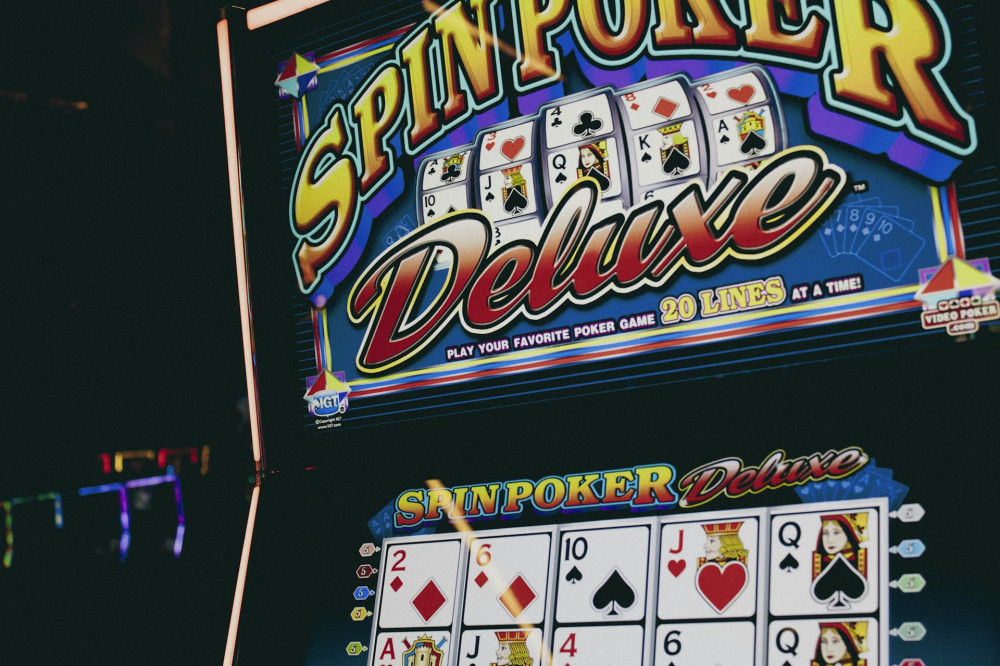
Casino Aesthetics in Fashion and Advertising: The Symbolism of the Game at the Center

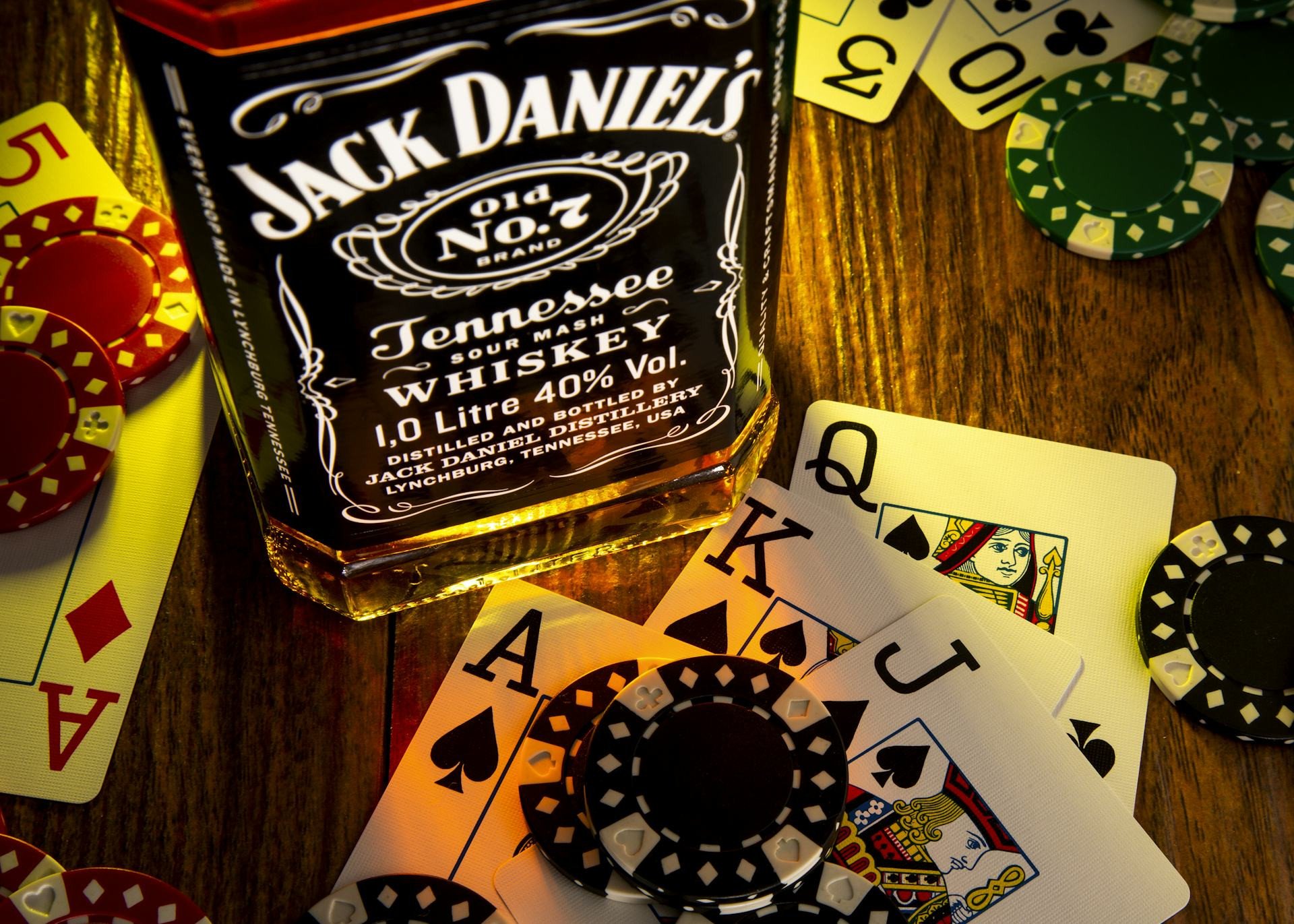
Casino Aesthetics in Fashion and Advertising: The Symbolism of the Game at the Center
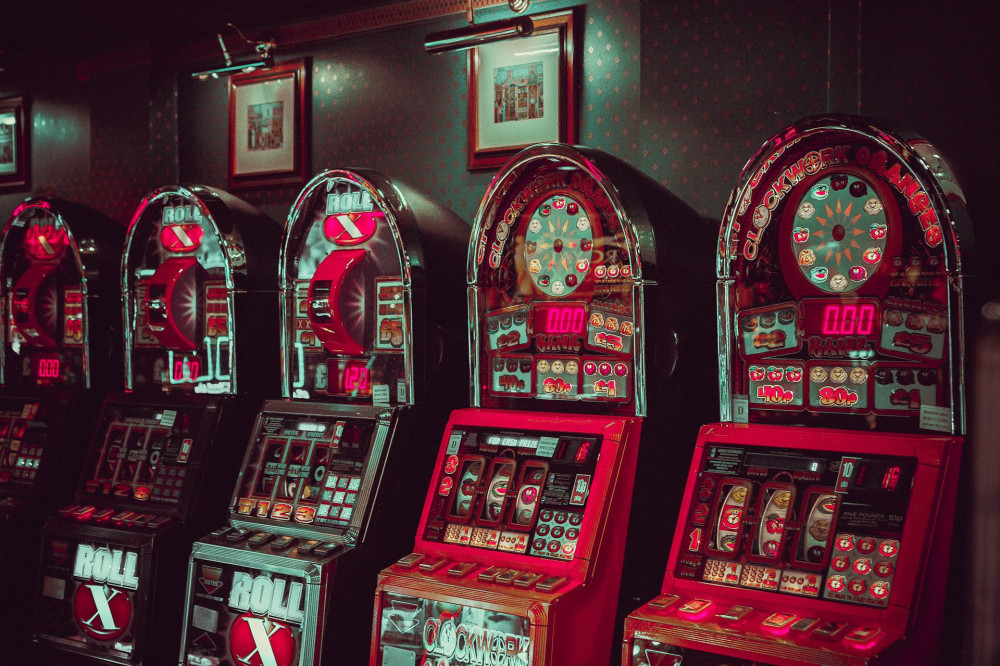
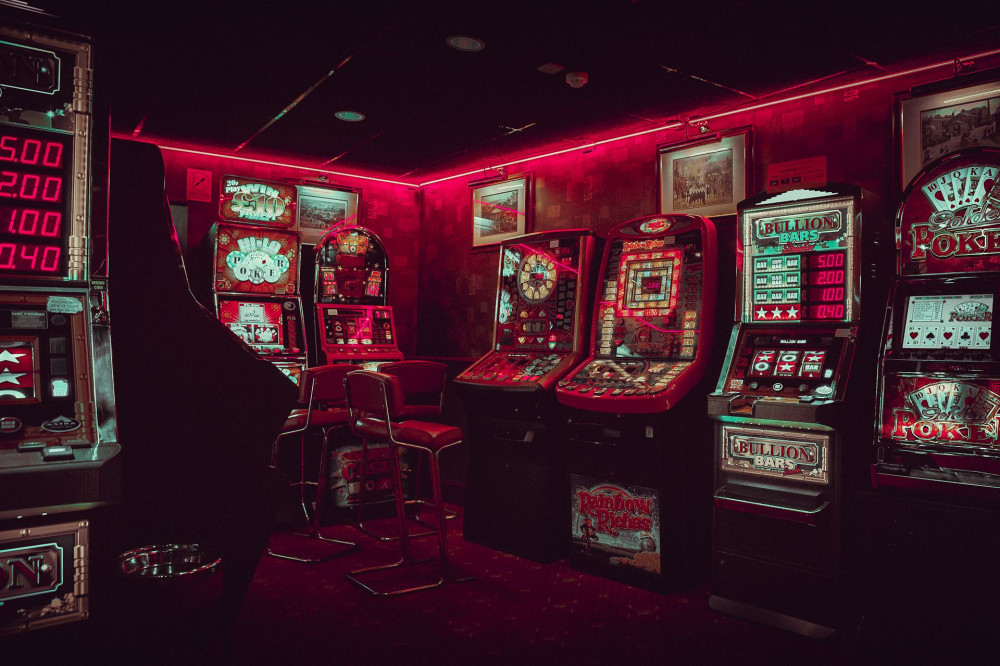
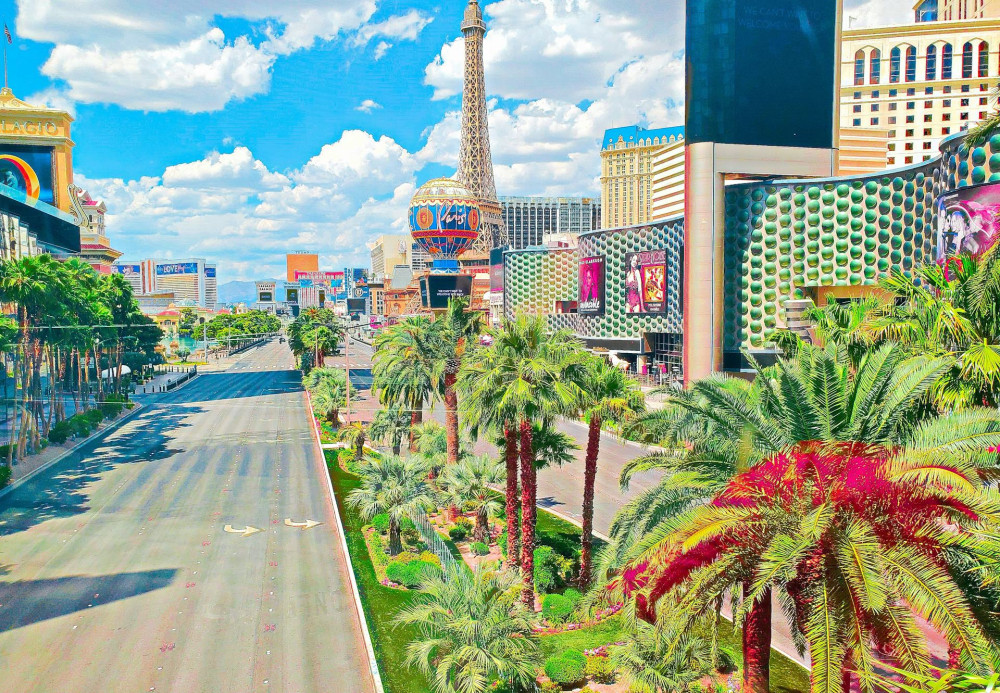
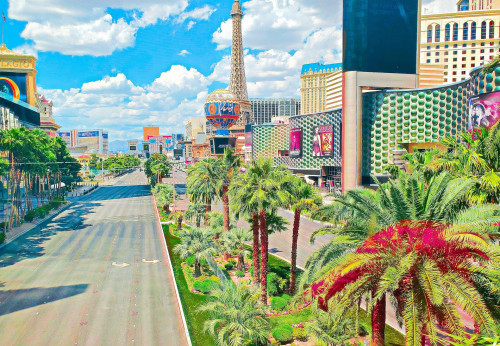
From the neon glow of the Las Vegas Strip to the velvet-lined poker rooms of Atlantic City, the casino has long stood as a symbol of glamour, risk, and the tantalizing promise of fortune. In recent years, this aesthetic has moved beyond the gaming floor and into the worlds of fashion and advertising, where the imagery of cards, dice, and roulette wheels has become shorthand for luxury, daring, and desire. But what makes the casino aesthetic so captivating—and why does it continue to resonate so strongly in American visual culture?
From the Casino Floor to the Runway
The casino aesthetic has found new life in fashion. Designers have turned runways into mock gaming halls, complete with roulette tables and chandeliers, while models stride out in sequined gowns, tuxedo-inspired suits, and accessories that echo the shimmer of slot machines. It’s not just about borrowing the look of the casino—it’s about channeling its energy: the thrill of chance, the tension between control and chaos, and the allure of risk.
This aesthetic thrives on contrast. Deep reds and blacks meet flashes of gold; elegance collides with danger. In fashion, these juxtapositions tell stories of confidence and seduction. A dress that catches the light like a spinning roulette wheel doesn’t just sparkle—it suggests a willingness to take a gamble, to play the game of life with style and nerve.
Læs også:

Advertising’s Fascination with the Game
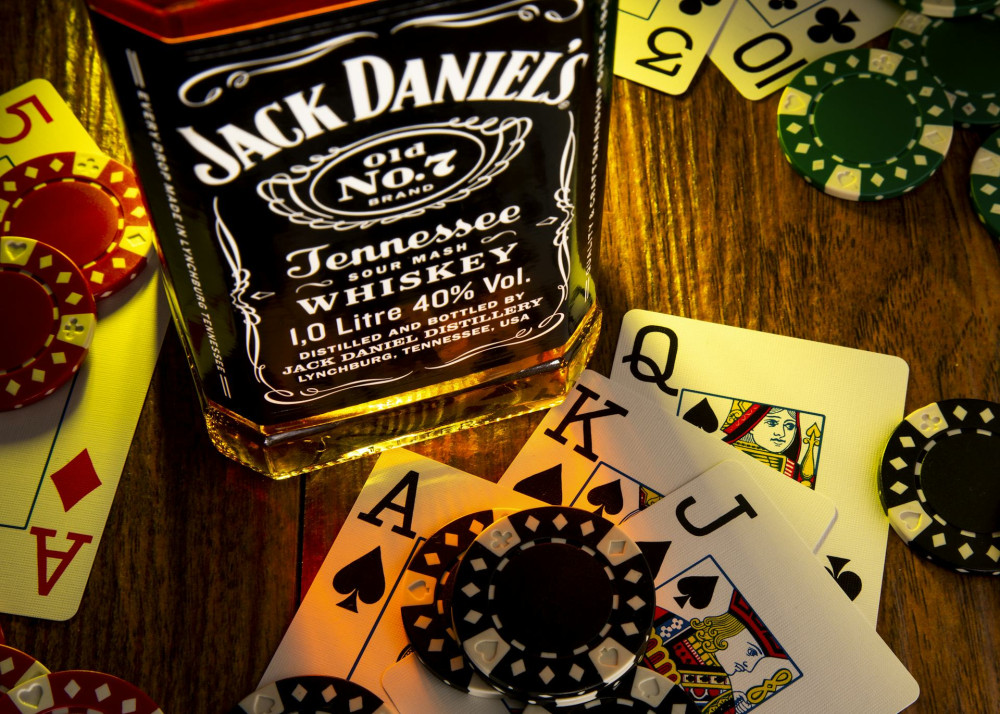
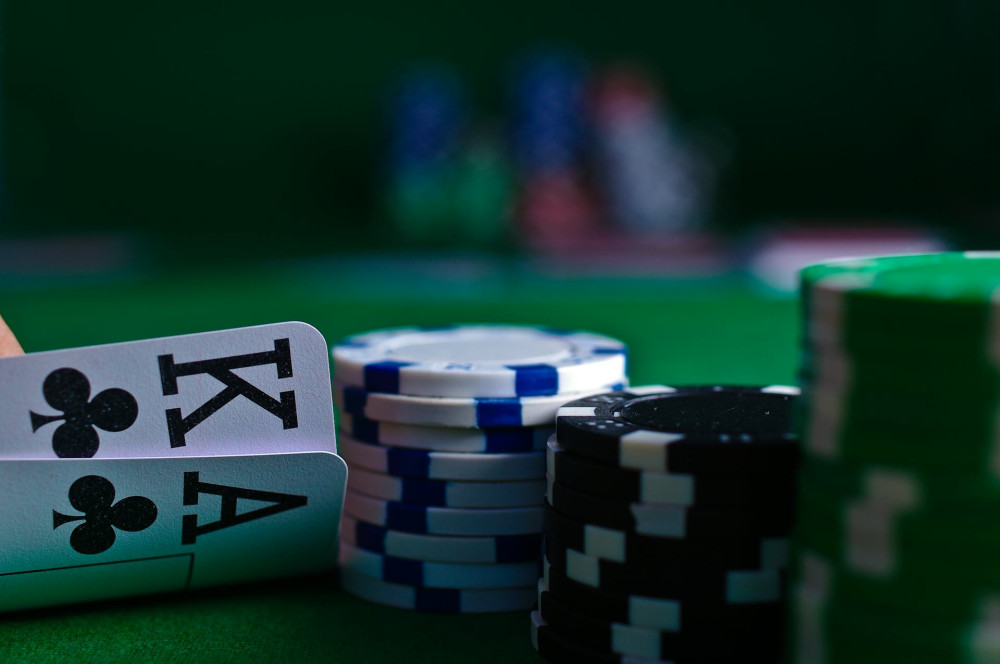
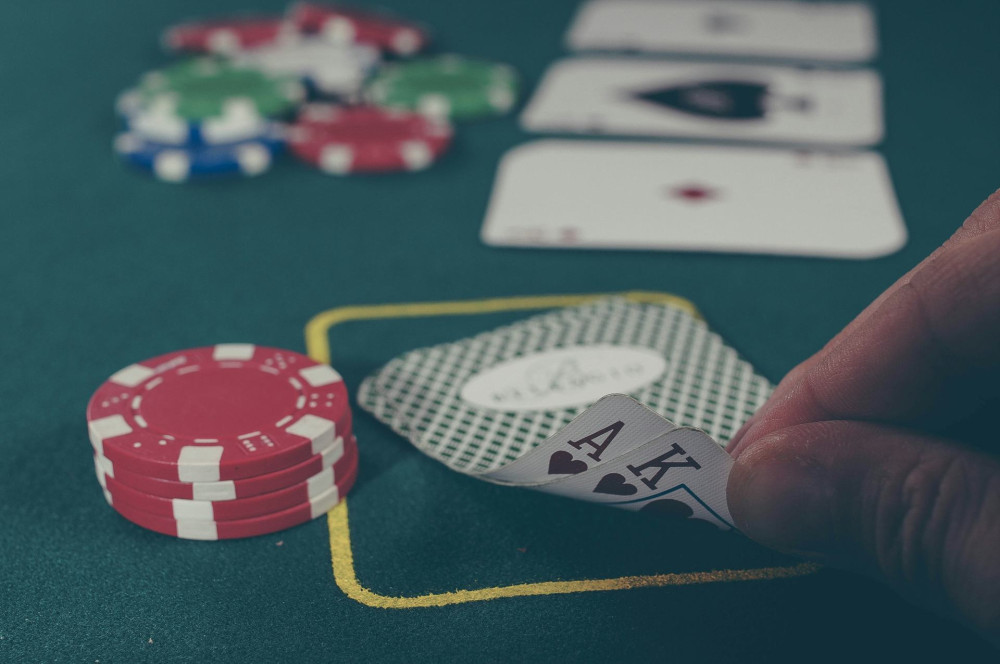
Advertisers have long understood the symbolic power of the casino. Cards, dice, and chips are more than props—they’re metaphors for choice, fate, and ambition. In American advertising, these symbols often stand for the spirit of risk-taking that defines the national mythos: the idea that success belongs to those bold enough to bet on themselves.
A fragrance campaign might use a casino backdrop to evoke mystery and exclusivity, while a car commercial could frame a poker hand as a metaphor for strategy and confidence. Even brands with no direct link to gambling use casino imagery to sell a feeling—of excitement, luxury, and possibility. The message is clear: life is a game, and the bold are the ones who win.
Color, Light, and Texture: The Building Blocks of the Look
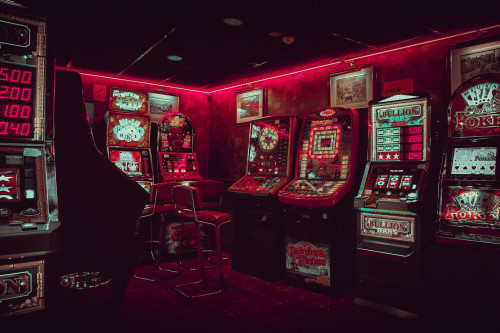
Casino aesthetics are built on sensory intensity. Rich reds, deep blacks, and metallic golds dominate, often paired with reflective surfaces—mirrors, chrome, glass—that amplify light and motion. Lighting is crucial: spotlights and neon glows create drama, while shadows add intrigue.
In both fashion and advertising, these visual cues are used to command attention. Neon accents suggest nightlife and adventure; velvet, satin, and leather evoke sensuality and indulgence. The result is an atmosphere that feels both glamorous and slightly dangerous—a world where every glance, every move, could change your luck.
The Game as a Metaphor for Identity
In a culture that prizes individuality and reinvention, the casino aesthetic also serves as a metaphor for self-expression. To play the game is to take a chance—to risk failure in pursuit of something greater. Fashion and advertising tap into this narrative, presenting risk as not just thrilling but essential to personal growth.
When a model stands at a roulette table or holds a winning hand, the image isn’t only about wealth or glamour—it’s about agency. It’s about daring to make a move, to take control of one’s destiny. In this way, the casino becomes a mirror for the American dream itself: the belief that fortune favors the brave.
The Double Edge of Glamour
The casino aesthetic is seductive precisely because it carries a hint of danger. It represents freedom and possibility, but also illusion and excess. This duality makes it a powerful tool for creative industries—it can critique consumerism even as it celebrates it.
In an era when authenticity and responsibility are increasingly valued, the casino aesthetic stands as a deliberate play with surface and spectacle. It reminds us that fashion and advertising are not just about selling products—they’re about selling dreams. And like any game of chance, those dreams come with both risk and reward.
Læs også: