From Start to Finish: How a Typical Bingo Game Goes

From Start to Finish: How a Typical Bingo Game Goes
Bingo is a game that blends excitement, community, and a touch of luck. Whether it’s played at a local church hall, a community center, or online, every bingo game follows a familiar rhythm that both newcomers and seasoned players quickly recognize. Here’s a look at how a typical bingo game unfolds—from the first number called to the final shout of “Bingo!”
Before the Game Begins
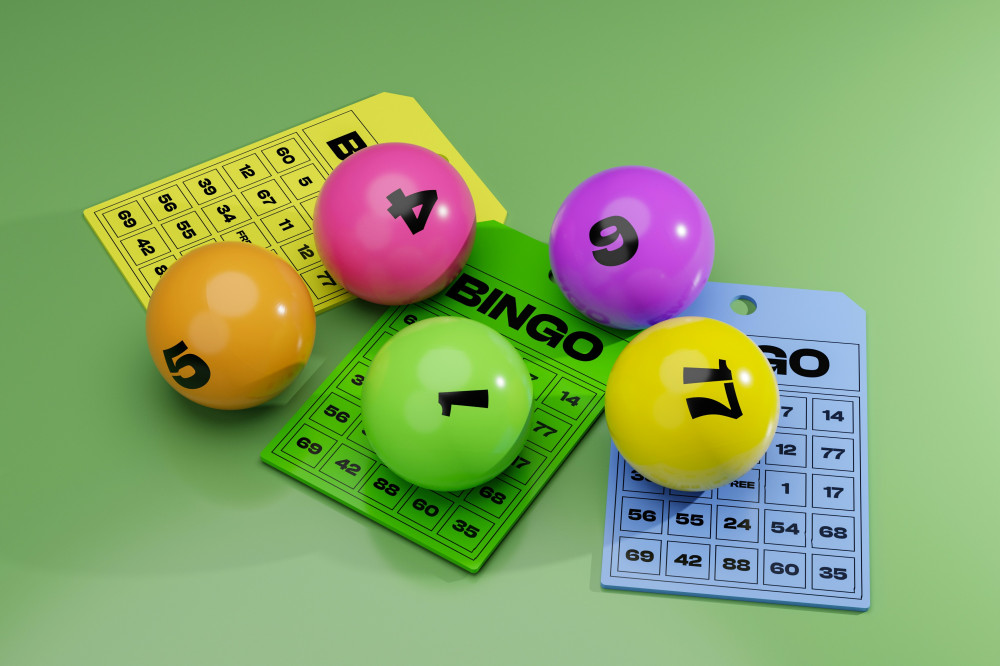
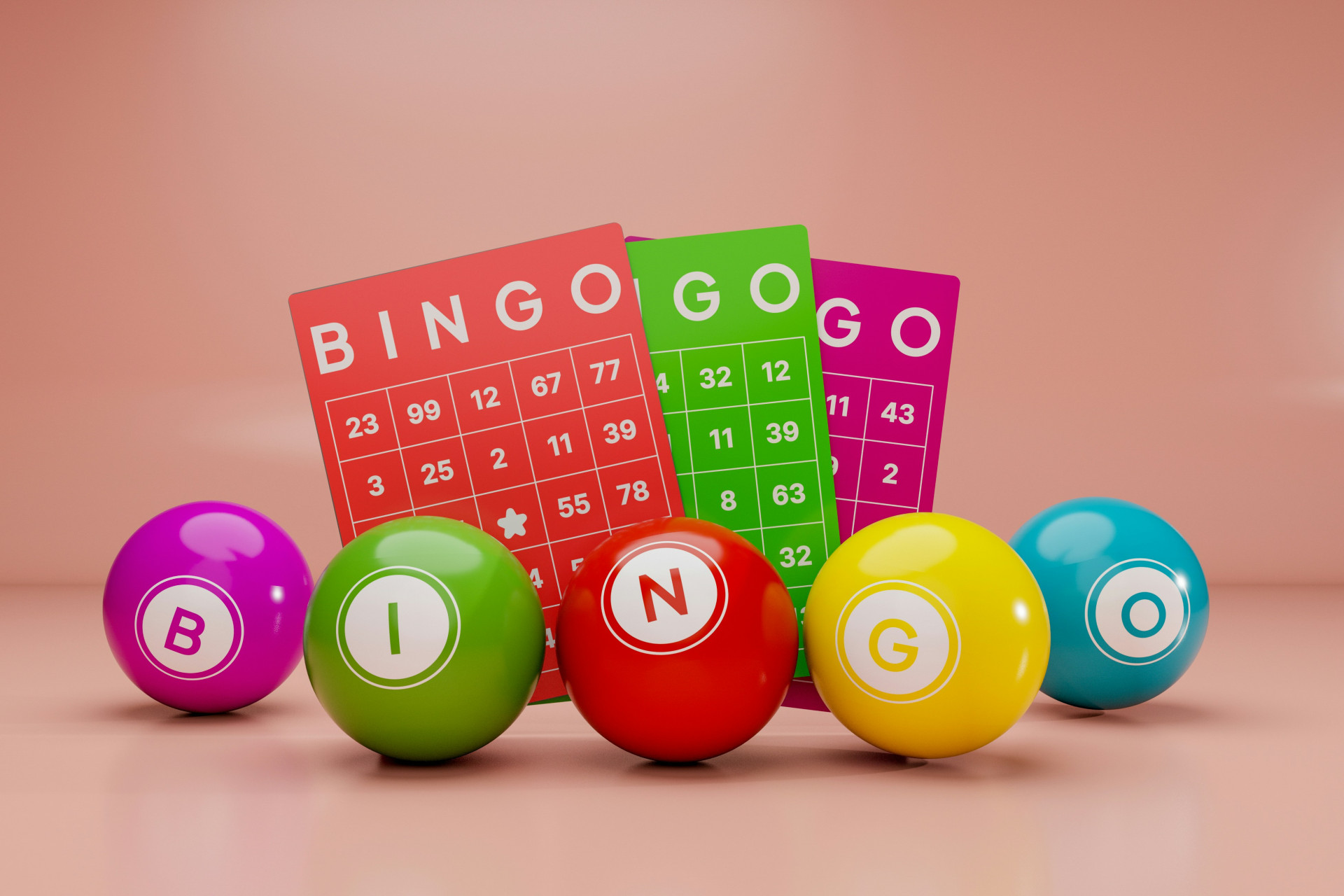
Before the action starts, players receive their bingo cards. Each card features a grid of numbers arranged under the letters B-I-N-G-O. The numbers are randomly distributed, and players can choose to play with one card or several at once to increase their chances of winning.
The caller or host usually explains the rules, the prize structure, and the winning patterns for the round. These patterns might include a single line, two lines, or a full card—known as a “coverall.” Some games also feature special rounds or bonus prizes to keep things lively.
Læs også:


The Caller Sets the Tone
Once everyone is ready, the caller takes center stage. This person is responsible for drawing and announcing the numbers. In traditional halls, the numbers are drawn from a cage filled with balls, while in online or electronic bingo, they’re generated digitally. The caller keeps the pace steady, ensuring players have enough time to mark their cards.
The atmosphere is often relaxed but focused. Many players have their own little rituals—a lucky charm, a favorite seat, or a cup of coffee by their side. These personal touches add to the charm and community spirit that make bingo so beloved.
The Numbers Roll Out
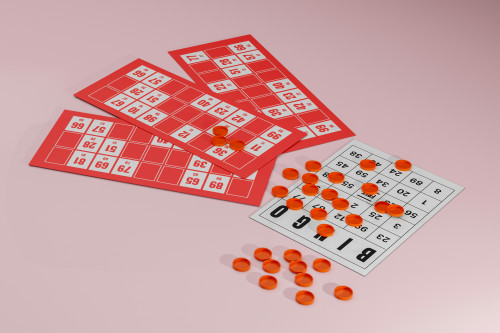
As the caller announces each number, players mark it on their cards. Some use daubers—colorful ink markers—while others use chips or electronic screens. Concentration is key, especially for those juggling multiple cards at once.
To avoid confusion, the caller usually repeats each number twice. In many American bingo halls, you’ll also hear playful phrases or jokes accompanying the numbers, adding humor and personality to the game.
The First Win: One Line
When a player completes a horizontal, vertical, or diagonal line, they shout “Bingo!” The game pauses immediately while the caller or an assistant verifies the card. If the numbers check out, the winner is announced and awarded the prize.
After the first win, the game often continues toward the next goal—perhaps two lines or a specific pattern. Each new stage brings fresh excitement as players get closer to filling their cards.
The Big Moment: Coverall
The highlight of any bingo session is the coverall, when a player marks every number on their card. The moment someone calls “Bingo!” for a full card, the room buzzes with anticipation. Once verified, the winner receives the top prize, which might be cash, a gift card, or another reward depending on the venue.
Some sessions end here, while others continue with bonus rounds or special themed games that offer extra chances to win.
After the Game: Community and Connection
When the round ends, players often take a break to chat, grab a snack, or share stories about near misses and lucky streaks. For many, the social side of bingo is just as important as the game itself. It’s a chance to connect with friends, meet new people, and enjoy a shared experience.
Online bingo has its own version of this camaraderie, with chat rooms where players can talk and celebrate wins together. Even from home, the sense of community remains strong.
A Classic That Endures
Though bingo has been around for generations, it continues to evolve. Today, you can find everything from traditional church bingo nights to high-energy online games with live hosts and themed events. What unites them all is the simple joy of anticipation, luck, and shared fun.
A typical bingo game might last only half an hour, but the laughter, excitement, and friendships it inspires can last much longer. That’s the magic of bingo—a timeless game that keeps bringing people together, one number at a time.
Læs også: