Jackpot and Risk: How the Jackpot Affects the Game’s Pace and Excitement

Jackpot and Risk: How the Jackpot Affects the Game’s Pace and Excitement
When the reels spin and the jackpot climbs, players across the U.S. feel their pulse quicken. The promise of a life-changing win acts like a magnet—pulling us in with both hope and adrenaline. But how exactly does the jackpot influence the pace of play, our decision-making, and the overall thrill of the game? And why does the mere possibility of hitting it big keep us playing longer than we planned?
The Chase for the Big Moment
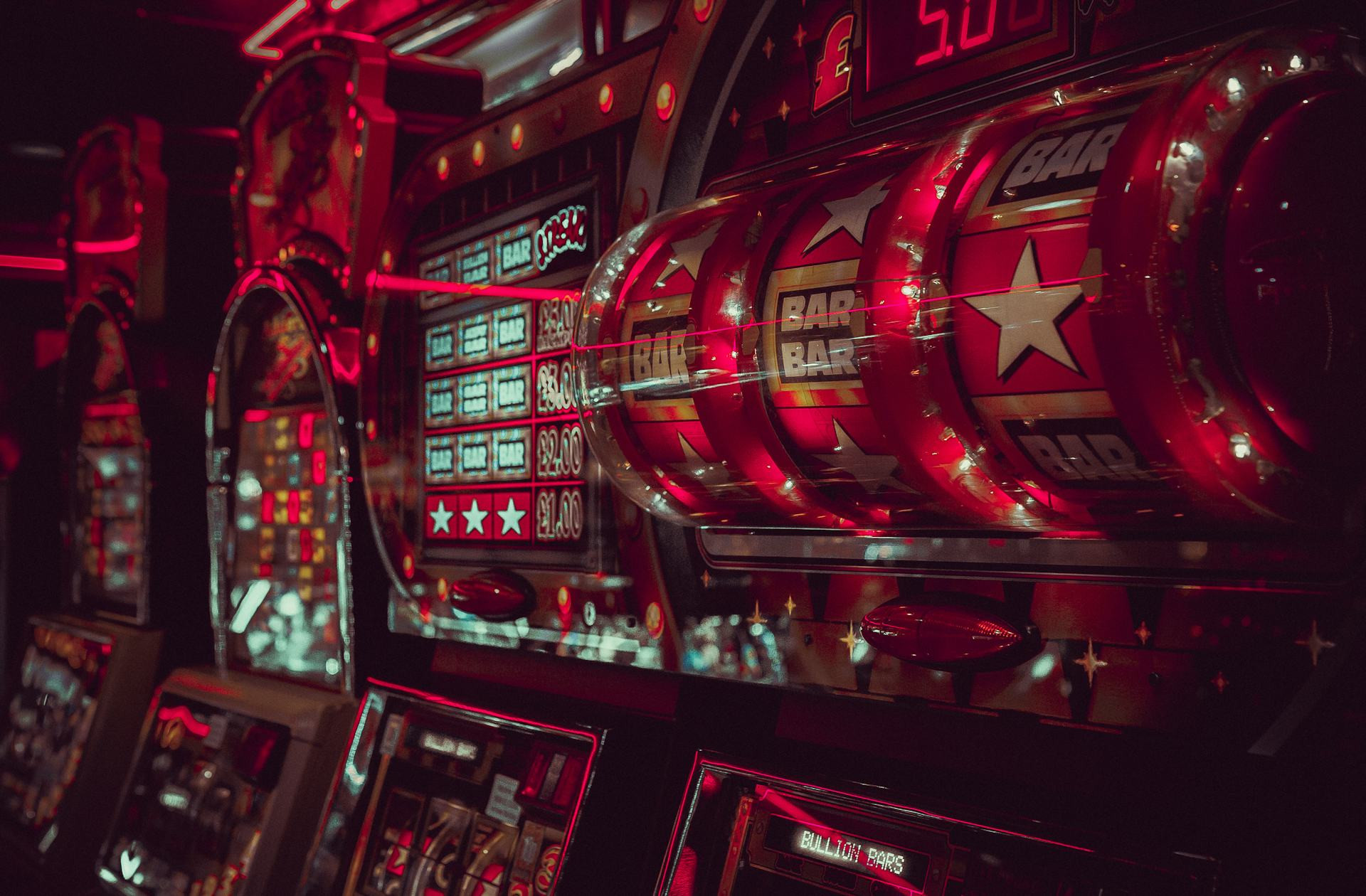
The jackpot is the game’s ultimate climax—the moment when everything can change. In modern slot machines and online casino games, it’s not just a bonus feature but a central part of the experience. It’s a constant reminder that the next spin could be the one.
From a psychological standpoint, the jackpot taps into our brain’s reward system. Each time we see the prize amount grow, our brains release small bursts of dopamine—the same chemical linked to anticipation and motivation. Even without winning, that sense of “almost there” excitement keeps us engaged and coming back for more.
When the Jackpot Speeds Up the Game
Once the jackpot is in play, the tempo often shifts. Players spin faster, take fewer breaks, and focus intensely on the screen. The game feels more alive when something big is at stake. Game designers know this and often amplify the effect with flashing lights, rising sound effects, and animations that signal something exciting is about to happen.
But that faster pace can also cloud judgment. As excitement rises, our ability to think rationally tends to drop. We react more impulsively and lose track of time and money. That’s part of what makes jackpot games both thrilling and risky—they heighten emotion while lowering control.
The Paradox of Risk
The jackpot represents a fascinating kind of risk. The odds of winning are incredibly low, yet the potential reward is so massive that it overshadows the many small losses along the way. It’s a paradox: we know the chance is slim, but the feeling of “it could be me” is stronger than the math.
Studies on gambling behavior show that this kind of rare, high-stakes risk is often more exciting than frequent small wins. The uncertainty itself becomes part of the fun. For some players, it’s not just about money—it’s about chasing that intense, once-in-a-lifetime moment.
Progressive Jackpots – Excitement That Grows
Progressive jackpots take the thrill even further. Each time someone plays, a portion of their bet adds to a shared prize pool that keeps growing until one lucky player hits it. These jackpots can reach millions, and as the total climbs, so does the collective anticipation. When a jackpot hits record levels, it can feel like the entire gaming community is holding its breath.
This shared excitement can make the experience more social and engaging, but it also increases the pressure to join in before “someone else wins.” It’s a dynamic that builds community while also amplifying the temptation to overspend.
Finding the Balance Between Fun and Control
Jackpot games can be a fun, high-energy experience when played responsibly. The key is to treat the jackpot as entertainment—not as a realistic path to wealth. Setting limits on time and spending helps keep the experience enjoyable and under control.
A good approach is to focus on the enjoyment of the game itself rather than the outcome. When you play for fun, the jackpot becomes a bonus thrill—not a necessity. That way, you can enjoy the pace, the excitement, and the rush without letting risk take over.
Læs også:

The Double Edge of Excitement
The jackpot is both the biggest draw and the biggest temptation in gaming. It creates intensity, community, and dreams—but also the potential to lose perspective. Understanding how the jackpot affects our behavior is key to playing smart.
In the end, it’s not just about hitting the big win—it’s about enjoying the rhythm and excitement of the game in a way that feels fun, safe, and balanced.
Læs også: