Myth or Method? How to Tell the Difference Between Casino Strategy and Gambling Superstition

Myth or Method? How to Tell the Difference Between Casino Strategy and Gambling Superstition
When it comes to casino games, the line between strategy and superstition can be surprisingly thin. Some players swear by lucky charms, favorite numbers, or specific rituals, while others rely on math and probability. But how can you tell the difference between a method that might actually improve your play and a myth that only gives the illusion of control? Here’s how to separate fact from fiction—and play with a clearer understanding of your odds.
Why Gambling Myths Take Hold
Casino games are built on chance, and that can be hard for the human brain to accept. We naturally look for patterns and explanations that make random outcomes feel predictable. If you win after wearing a certain shirt or sitting at a particular slot machine, it’s easy to believe those factors played a role. In reality, that’s just our tendency to connect unrelated events—a classic case of seeing cause and effect where none exists.
Superstitions thrive in fast-paced games like slots or roulette, where results come quickly and coincidences stand out. A few lucky spins can turn into a “system,” and myths spread easily from one player to another.
Strategy: When Math Matters
That said, not everything in the casino is pure luck. Some games allow for genuine strategy based on probability and decision-making. In these cases, knowledge and discipline—not superstition—can make a measurable difference.
- Blackjack: Basic strategy is grounded in mathematical probabilities for every possible hand. Following it can reduce the house edge and improve your long-term results.
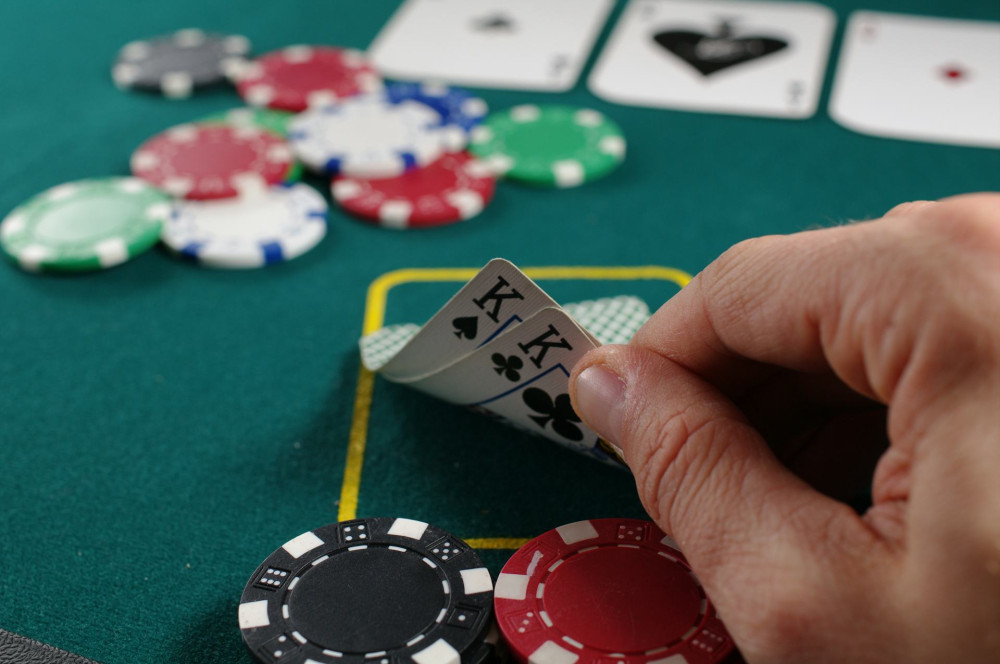
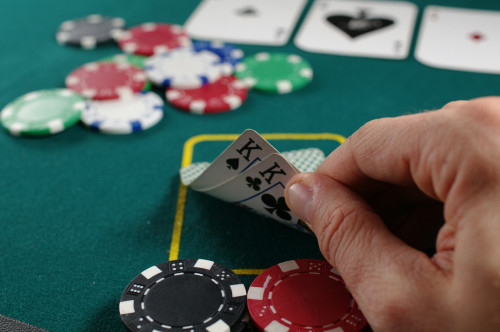
- Poker: Skill, psychology, and probability all come into play. Reading opponents, calculating pot odds, and managing your bankroll are real strategic tools.
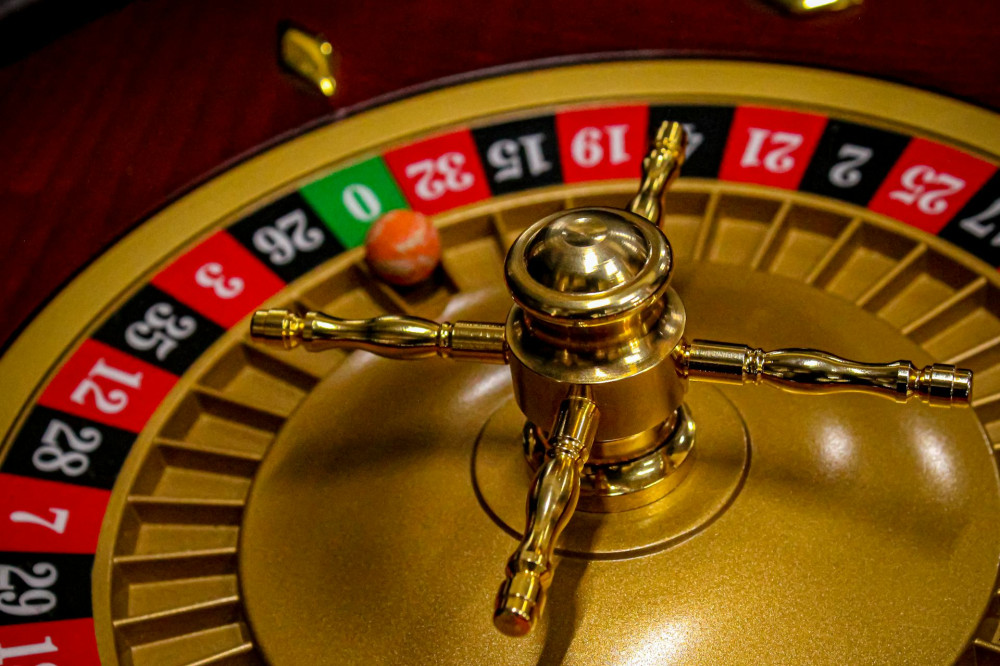
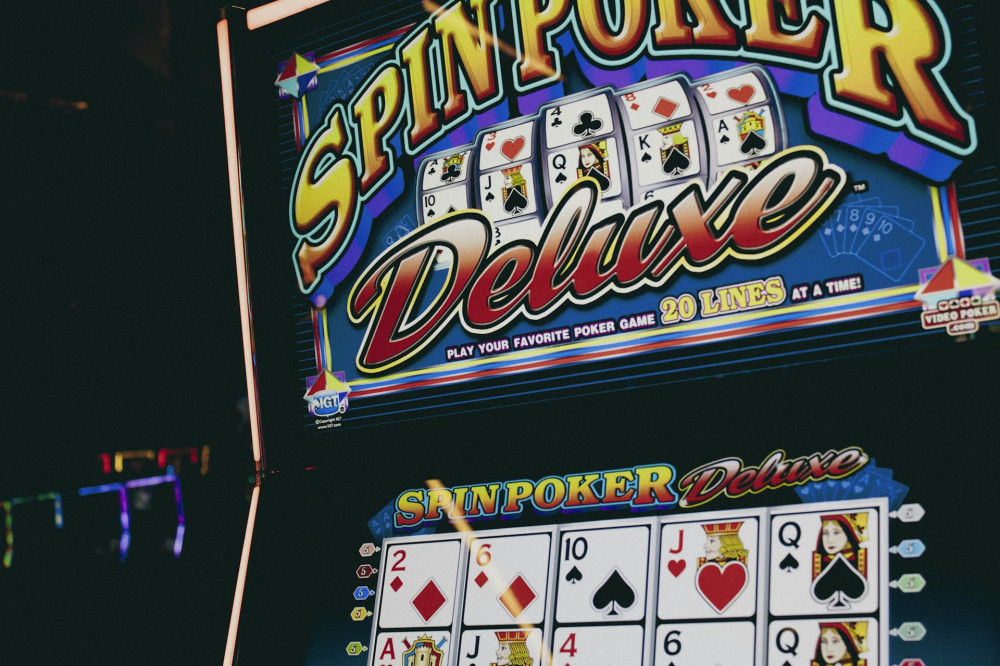
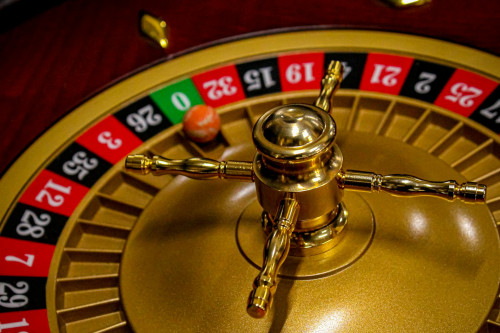
- Roulette and Slot Machines: These are games of pure chance. Each spin or roll is independent, and no system can influence the outcome.
In short: if a “strategy” can’t be explained through math or probability, it’s probably a myth.
Common Casino Myths in the U.S.
Even experienced players fall for some of the most persistent gambling myths. Here are a few of the most common:
- “The machine is due for a win.” Many believe that a slot machine that hasn’t paid out in a while is “ready” to hit. In truth, every spin is random, and the machine has no memory.
- “You can feel when you’re on a lucky streak.” Confidence and intuition can make you feel in control, but they don’t change the odds.
- “The Martingale system works.” Doubling your bet after every loss might sound logical, but table limits and bankroll constraints make it a fast track to losing big.
- “Dealers can influence the outcome.” In games like blackjack or roulette, dealers follow strict procedures. The results are determined by chance, not manipulation.
Læs også:

How to Tell the Difference
When you come across a new “foolproof” casino method, ask yourself three simple questions:
- Can it be explained mathematically? If not, it’s likely superstition.
- Is each outcome independent of the last? If yes, no strategy can change it.
- Is there data or just anecdotes? Personal stories aren’t proof—statistics are.
These questions can help you quickly identify whether you’re dealing with a legitimate strategy or a myth dressed up as one.
Play Smart, Not Superstitious
Casino gaming should be about entertainment, not illusion. Understanding how probability works makes the experience more realistic—and more responsible. There’s no secret formula for guaranteed wins, but there is a smart way to play: know your limits, understand the risks, and enjoy the game for what it is.
Myths can be fun to talk about, but they shouldn’t guide your decisions. The best strategy is still the simplest one—play with awareness, and know when to walk away.
Læs også: