Stay Calm Under Pressure: Use Probabilities as Your Mental Tool

Stay Calm Under Pressure: Use Probabilities as Your Mental Tool
When the pressure is on and decisions need to be made fast, many people react with stress, doubt, or impulsive choices. It happens in poker, at work, and in everyday life. But there’s a tool that can help you stay calm and think clearly — probabilities. By using probability thinking as a mental framework, you can create distance from your emotions, assess situations more objectively, and make better decisions even when the stakes are high.
Think Like a Poker Player — Not a Gambler
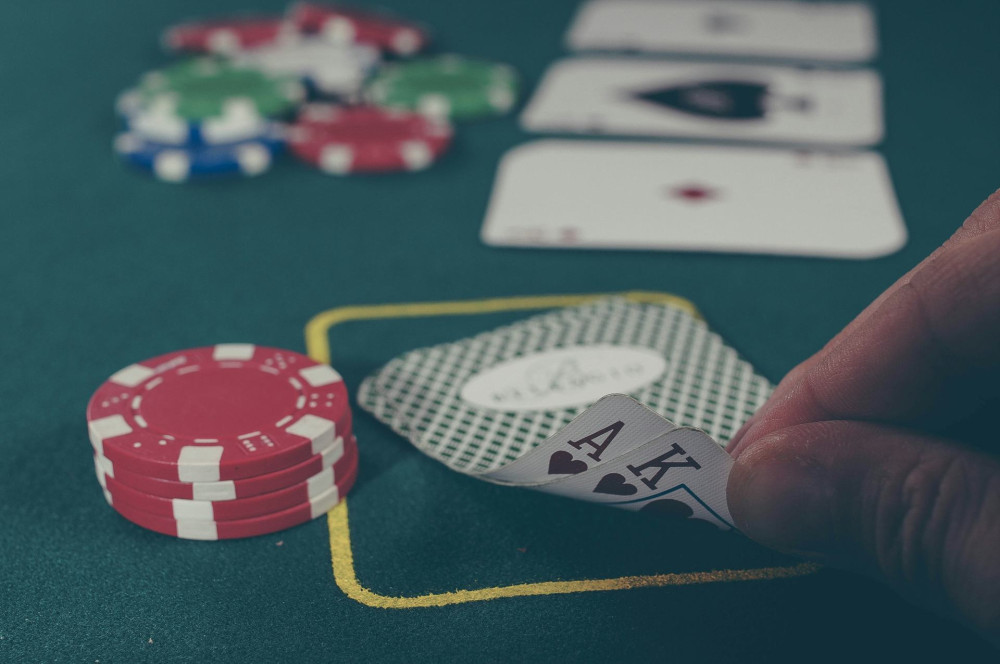
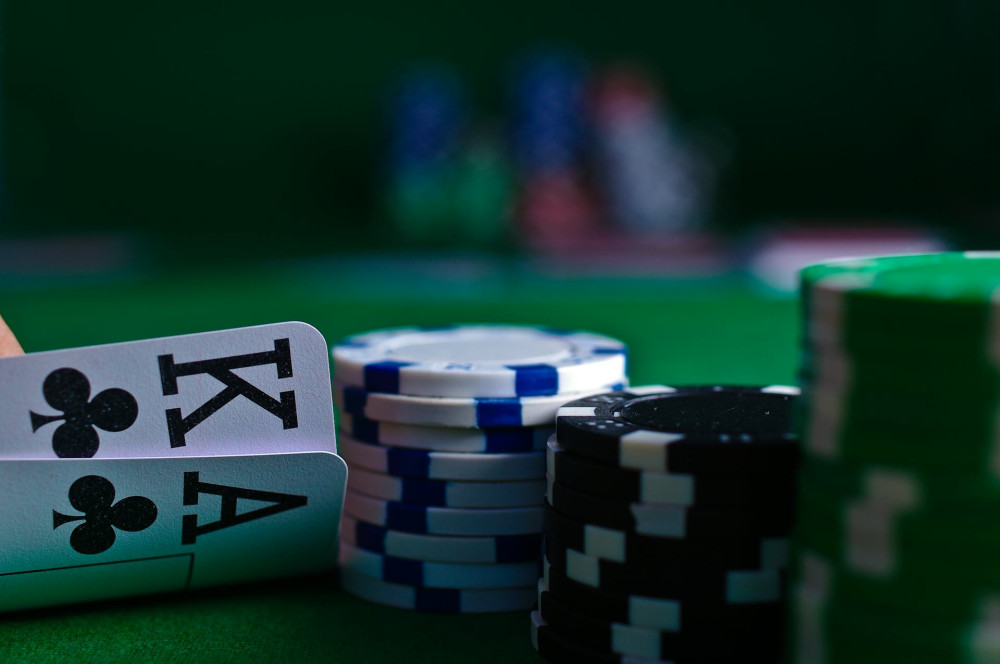
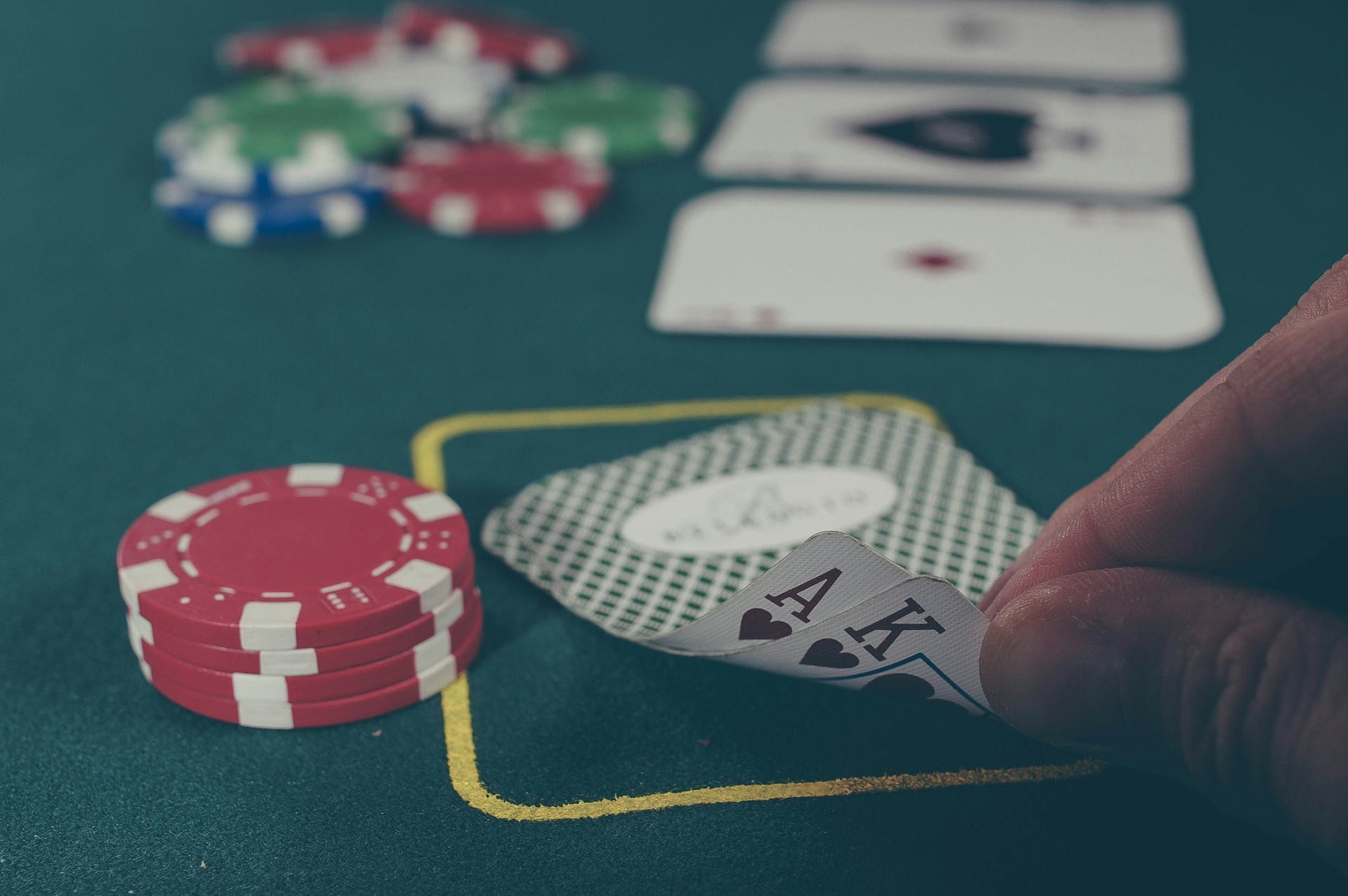
The difference between a poker player and a gambler isn’t luck — it’s mindset. A poker player knows that every decision is about probabilities, not about winning every single hand but about making choices that have a positive expected value over time. The same principle applies to life: you can’t control outcomes, but you can control the quality of your decisions.
When you face a tough choice, ask yourself: What’s the probability this will go well? What’s the risk if it doesn’t? Thinking in probabilities instead of absolutes shifts your focus from fear and hope to analysis and strategy.
Probabilities Calm Emotional Reactions
When we’re under pressure, emotions often take over. We overreact to losses, get overly excited about small wins, or lose perspective when something unexpected happens. Probability thinking can serve as a mental anchor that keeps you steady in the storm.
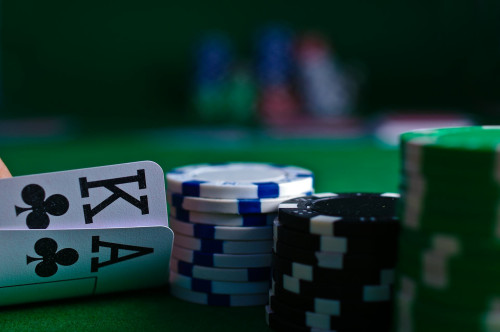
Imagine losing a big poker hand even though you had an 80% chance to win. Instead of letting frustration take over, you can remind yourself that 20% of the time, things will go wrong — and that’s perfectly normal. The same logic applies in daily life: a project, a sale, or a conversation might not go your way even if you did everything right. That doesn’t mean you failed — it just means the odds played out differently this time.
Læs også:

Use Probabilities to Make Better Decisions
Thinking in probabilities isn’t just about staying calm — it’s also about improving your decision-making. When you’re evaluating options, you can use a simple process:
- Identify the possible outcomes. What could happen — both good and bad?
- Estimate the probabilities. How likely is each outcome?
- Consider the consequences. What would each outcome mean for you?
- Decide based on the overall picture. Choose the option that offers the best balance between risk and reward.
This approach makes you less vulnerable to randomness and more focused on process. You learn to accept that you can’t control everything — but you can control how you think.
From the Poker Table to Everyday Life
Probability thinking isn’t just for card games. It applies to investing, career choices, relationships, and health decisions. When you learn to see the world through probabilities, you become better at handling uncertainty — and that’s exactly where most people lose their composure.
For example, imagine you’re choosing between two job offers. One feels safe but uninspiring; the other carries more risk but greater potential. By assessing the probabilities — of success, satisfaction, and growth — you can make a decision that feels rational rather than emotional. You move away from an “all or nothing” mindset and start seeing life as a series of outcomes with varying likelihoods.
Accept Variance — and Focus on the Long Game
In poker, players talk about variance — the natural ups and downs that mean you can lose in the short term even when you play well. The same is true in life. You can make all the right moves and still face setbacks. That doesn’t mean you should change your strategy; it means you need patience.
When you accept variance, you become more resilient. You learn to see losses as temporary and success as the result of many good decisions over time. That mindset keeps you calm, focused, and consistent — both at the poker table and in everyday challenges.
Calm Comes from Understanding
Using probabilities as a mental tool is ultimately about understanding how the world works: nothing is certain, but much is likely. Once you accept that, the need for control fades, and calm takes its place. You start thinking like a strategist, not a reactor.
So next time you feel the pressure rising, take a breath, assess the probabilities, and make your move with composure. You can’t control the outcome — but you can control how you play your hand.
Læs også: