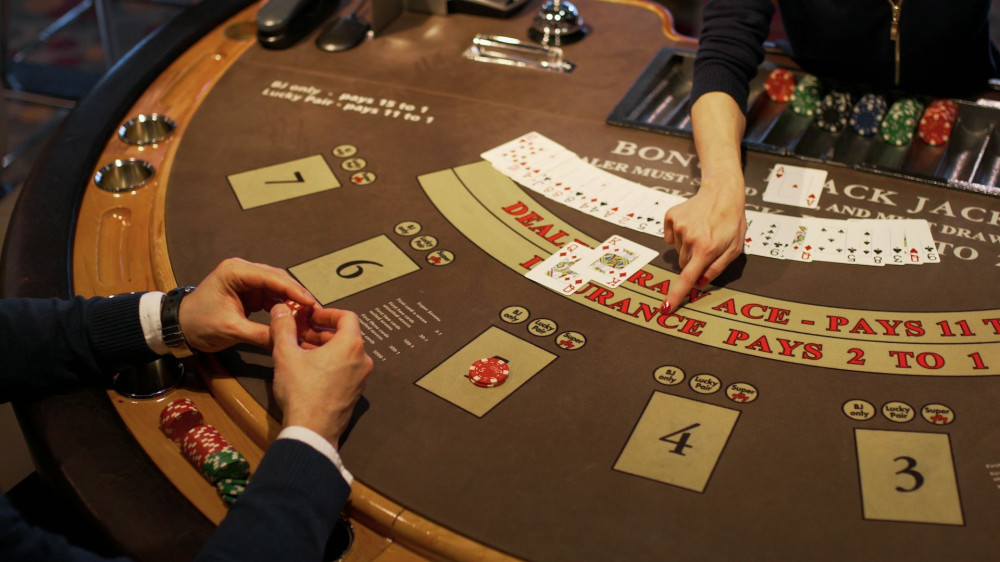
Low House Edge, Great Patience – The Art of Playing Steady and Strategic


Low House Edge, Great Patience – The Art of Playing Steady and Strategic
When stepping into the world of casino gaming, it’s easy to get caught up in the thrill of quick wins and big jackpots. But seasoned players know that long-term success isn’t about luck—it’s about strategy, discipline, and understanding the math behind the games. Playing steady and strategic means choosing games with a low house edge, managing your bankroll wisely, and maintaining patience—even when the results don’t come right away.
What Does “Low House Edge” Mean?
The house edge is the percentage that represents the casino’s statistical advantage over the player. The lower the house edge, the better your odds of winning in the long run. For example, a game with a 1% house edge means that, on average, the casino expects to keep $1 for every $100 wagered.
Games like blackjack, baccarat, and certain versions of video poker typically offer a low house edge—if you play with the correct strategy. These games reward knowledge and decision-making. On the other hand, games like roulette and slot machines often have a higher house edge, especially when you choose riskier bets.
Understanding the house edge is the first step toward smart play. It’s not about beating the casino—it’s about stretching your money further and improving your chances of walking away ahead.
Patience as a Strategic Tool
Patience is one of the most underrated skills in gambling. Many players lose focus after a few losing rounds and try to “win it back” by increasing their bets. That’s rarely a good idea. Instead, it’s important to accept that gambling is a game of probabilities—and even the best strategy can’t guarantee short-term wins.
A steady player knows when to stop. That might mean quitting after a set number of hands, a specific time limit, or once you’ve reached a win or loss threshold. By sticking to your own rules, you avoid letting emotions take control of your play.
Bankroll Management – The Foundation of Steady Play
One of the most critical aspects of strategic gambling is bankroll management—how you handle your playing funds. It’s about setting a realistic budget and dividing your bets so you can withstand the natural ups and downs of luck.
A good rule of thumb is to wager between 1% and 5% of your total bankroll per round. This approach prevents a few bad hands from wiping you out and allows you to play longer, giving your strategy time to work. It’s not about chasing big wins—it’s about staying in the game.
Læs også:


Know Your Games – Choose Wisely
Not all casino games are created equal. Some rely heavily on strategy and decision-making, while others are purely based on chance. If you want to play strategically, focus on games where your choices actually influence the outcome.
- Blackjack: One of the most strategic games. Playing according to “basic strategy” can reduce the house edge to under 1%.
- Baccarat: Simple to play, with a low house edge—especially if you consistently bet on the “banker.”
- Video Poker: Offers near-even odds when played with optimal strategy.
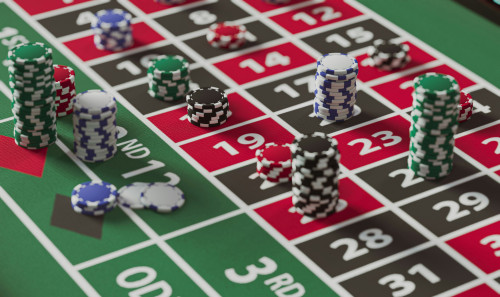
- Roulette: European roulette has a lower house edge than American roulette because it has only one zero.
By focusing on games that reward informed decisions, you increase your chances of playing effectively and with discipline.
The Psychology of Steady Play
Strategic gambling isn’t just about numbers—it’s also about mindset. Many players lose not because of bad luck, but because they lose emotional control. Feelings like frustration, overconfidence, or impatience can quickly lead to poor decisions.
A good habit is to take breaks when you feel your focus slipping. Gambling should be entertainment, not stress. By staying calm and thinking long-term, you can stick to your strategy even when luck temporarily turns against you.
Strategy Over Luck – A Long-Term Approach
While the casino always has a mathematical edge, you can influence how much that edge affects you. By choosing low house edge games, playing with optimal strategy, and managing your bankroll with discipline, you can extend your playtime and improve your chances of success.
Most importantly, view gambling as a process, not a race. The steady player doesn’t necessarily win big in one night—but they maintain control, perspective, and enjoyment of the game. In the end, that’s the greatest win of all.
Læs også: