When Defensive Play Pays Off: Game Theory in Practice for Casino Strategies


When Defensive Play Pays Off: Game Theory in Practice for Casino Strategies
When most people think of casino games, they picture flashing lights, high-stakes bets, and players chasing big wins. But behind the excitement lies a quieter, more analytical side of gambling—one where mathematics, psychology, and strategy intersect. Game theory, originally developed to study economic and military decision-making, can also explain why sometimes the smartest move in a casino is to play defensively.
What Is Game Theory—and Why Does It Matter in Casinos?
Game theory is the study of strategic decision-making in situations where the outcome depends on the choices of multiple players. In a casino, your “opponent” isn’t always another person—it’s often the house and the probabilities built into each game. Still, game theory helps players understand how to make rational decisions under uncertainty.
In games like poker, blackjack, and even sports betting, success isn’t just about luck. It’s about understanding how your choices affect your long-term odds. A defensive approach—focusing on minimizing losses rather than chasing quick wins—can often be the most rational and sustainable strategy.
Læs også:



The Defensive Strategy: When Patience Beats Impulse
It’s tempting to go all in when you feel lucky. But game theory shows that the best long-term results often come from thinking in terms of probabilities and expected value. A defensive player focuses on preserving their bankroll and capitalizing on small advantages over time.
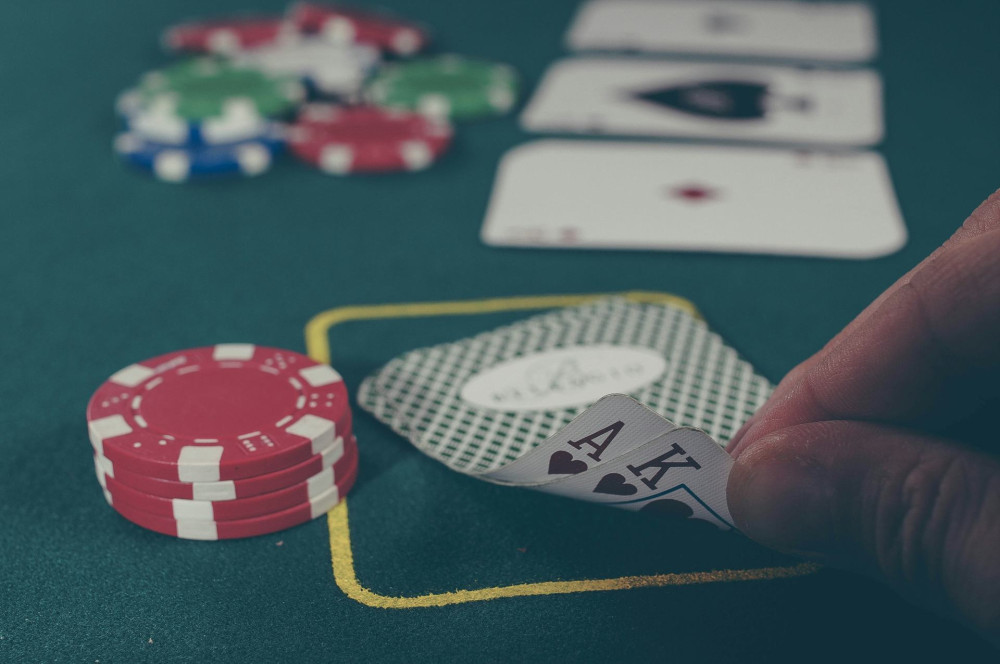
Take poker, for example. A player who folds frequently and only plays strong hands might seem overly cautious, but over many rounds, that discipline tends to yield steadier returns. The goal isn’t to win every hand—it’s to avoid the big losses that can wipe you out.
Blackjack and the Mathematics of Discipline
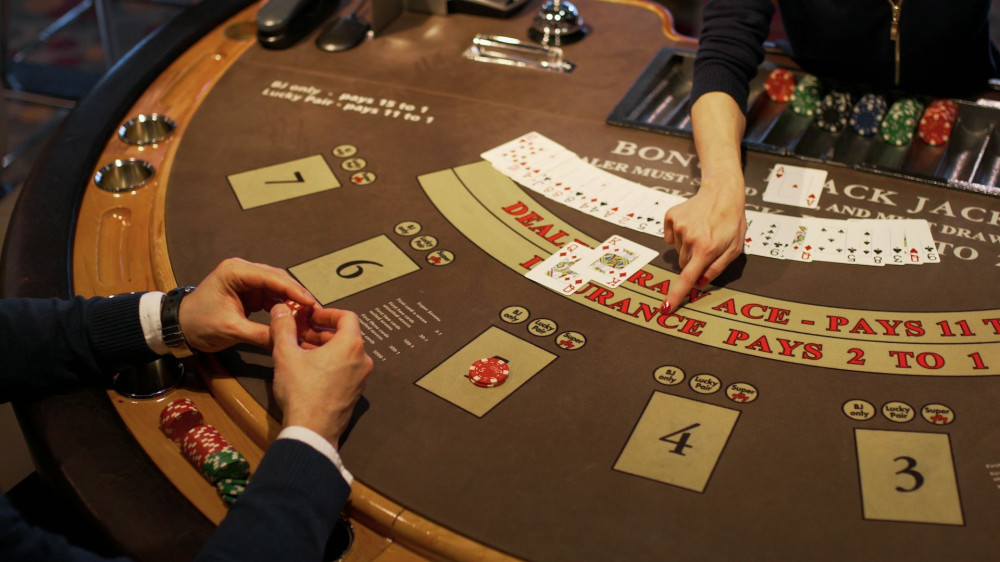
Blackjack is one of the clearest examples of game theory in action. Every possible hand can be analyzed to determine the optimal move—whether to hit, stand, double down, or split. The so-called “basic strategy” is the result of these calculations, designed to minimize the house edge.
A defensive blackjack player sticks to this strategy no matter what their gut says. It may not feel exciting, but that consistency is what separates a game of chance from a game of skill. Over time, disciplined play keeps losses small and opportunities steady.
Roulette and the Illusion of Control
Roulette is a game of pure chance—no amount of strategy can change the odds of where the ball lands. Yet even here, a defensive mindset can make a difference. By choosing low-risk bets, such as red/black or even/odd, players can extend their playtime and slow the rate of loss.
The key is understanding that the house always has an edge. A defensive strategy isn’t about “beating the system”; it’s about managing your bankroll and enjoying the experience without unrealistic expectations.
The Psychology Behind Defensive Play
Game theory isn’t just about numbers—it’s also about behavior. In casinos, emotions like excitement, fear, and overconfidence can cloud judgment. A defensive player works to neutralize those emotions, making decisions based on logic rather than impulse.
That means setting limits, taking breaks, and accepting that losses are part of the game. In game-theoretic terms, it’s about maximizing expected utility—not necessarily chasing the biggest possible win.
When Defensive Play Becomes a Winning Philosophy
Ultimately, game theory in casinos isn’t about finding a secret formula—it’s about understanding the balance between risk and reward. Playing defensively isn’t a sign of weakness; it’s a sign of control. It’s a way to play smart, respecting both the odds and your own limits.
For thoughtful players, game theory offers more than academic insight. It provides a practical framework for making gambling more sustainable, more strategic, and ultimately more satisfying—whether you’re playing for fun or aiming to master the art of the game.
Læs også: