Realistic Gaming: Use Your Understanding of the House Edge to Play More Relaxedly

Realistic Gaming: Use Your Understanding of the House Edge to Play More Relaxedly
When you step into a casino—whether it’s a buzzing Las Vegas floor, an online platform, or a local gaming venue—it’s easy to get swept up in the excitement and the dream of hitting a big win. But behind every game lies a mathematical truth: the house edge. This built-in advantage ensures that, over time, the casino always comes out slightly ahead. Understanding this concept can actually make your gaming experience more relaxed and enjoyable, because you’ll know what’s within your control—and what isn’t.
What Does the House Edge Mean?
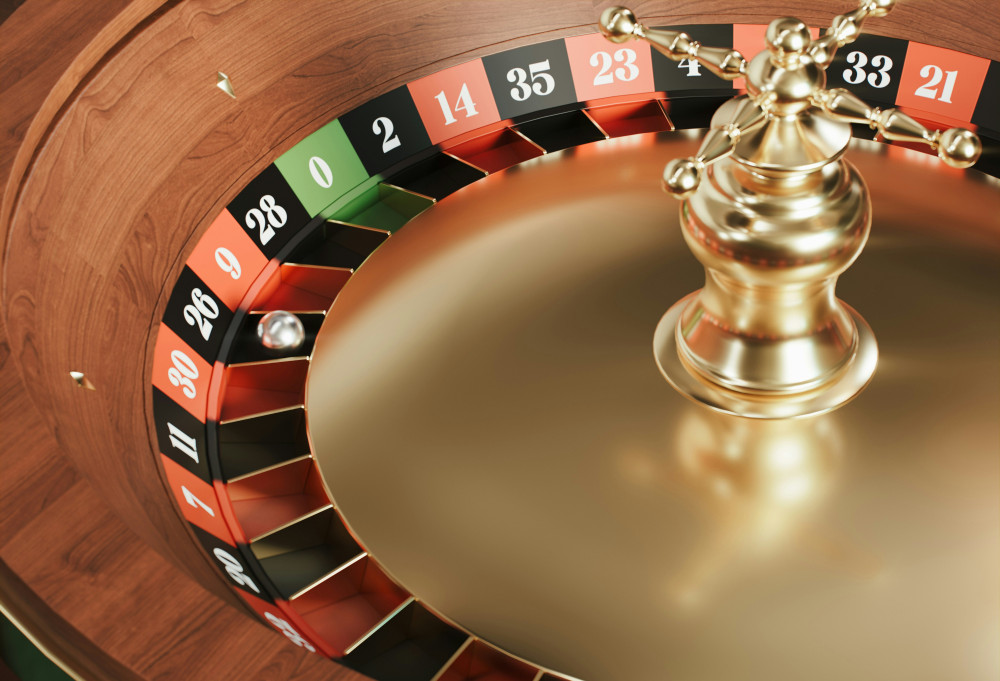
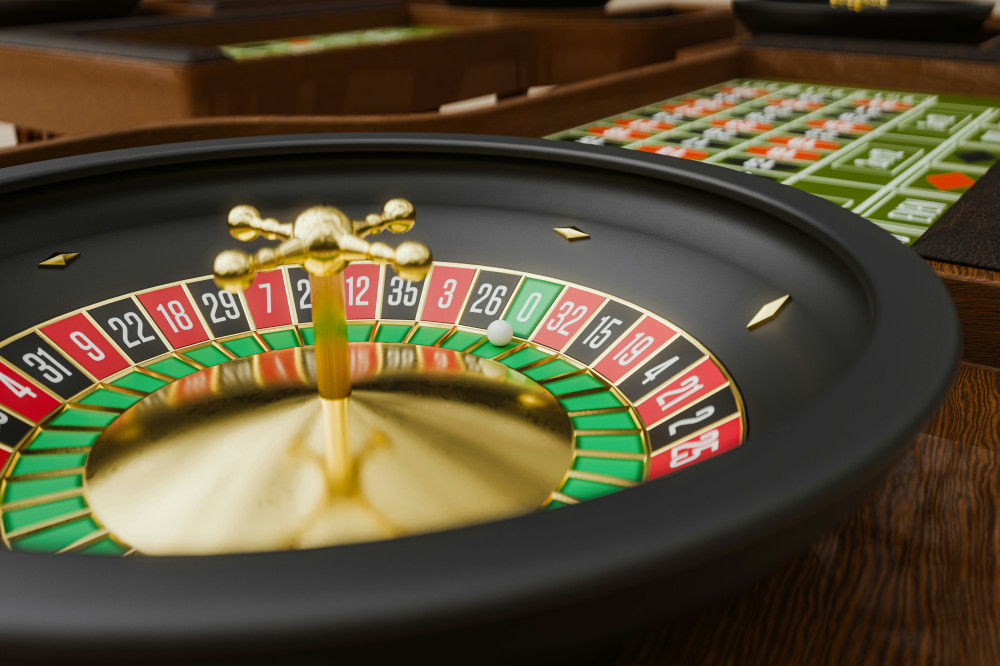
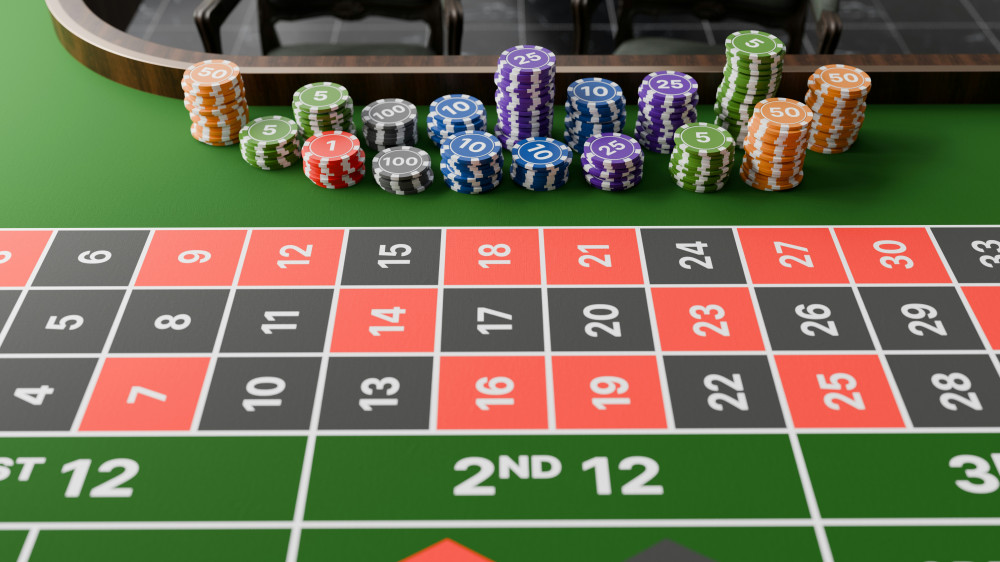
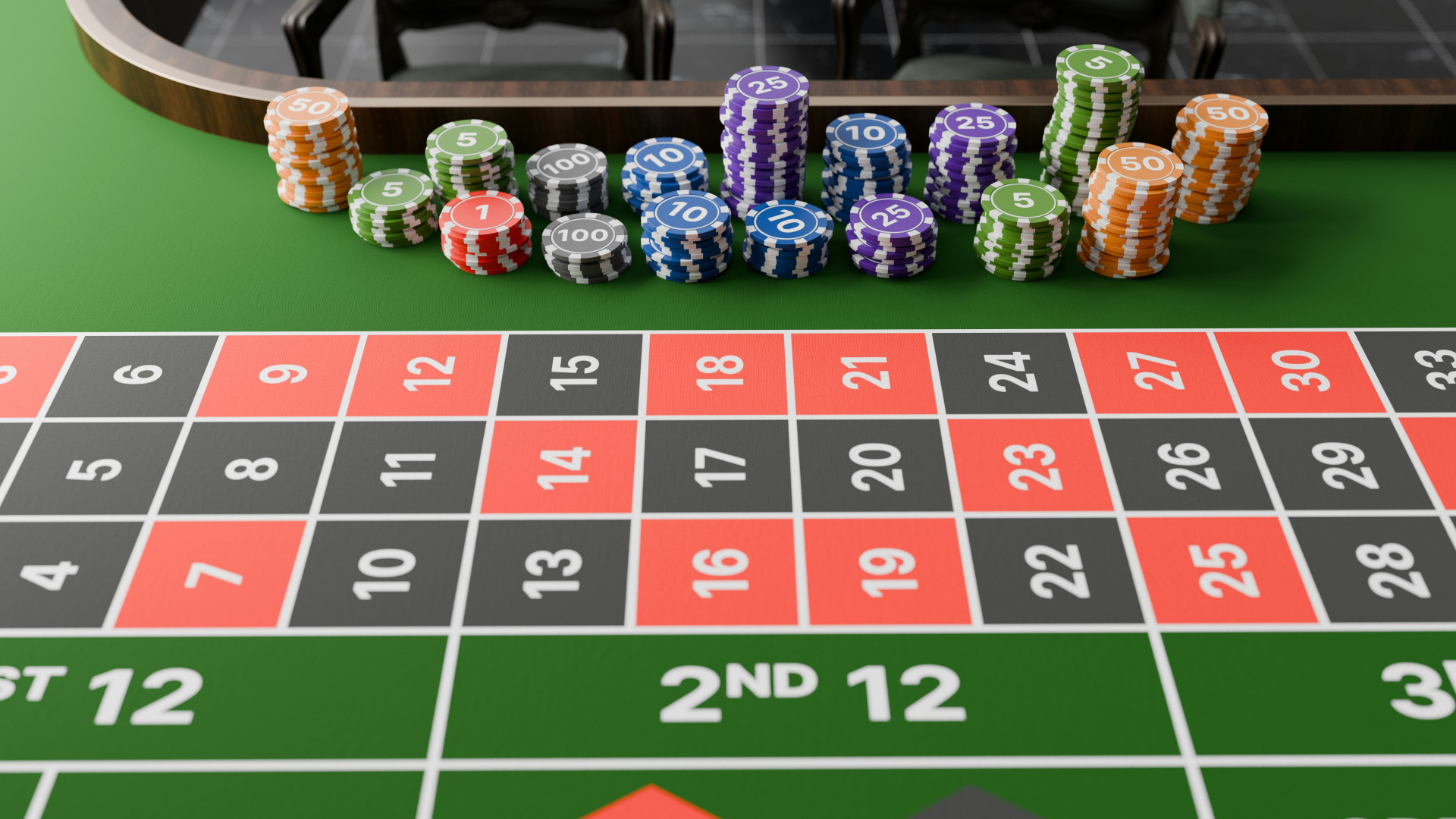
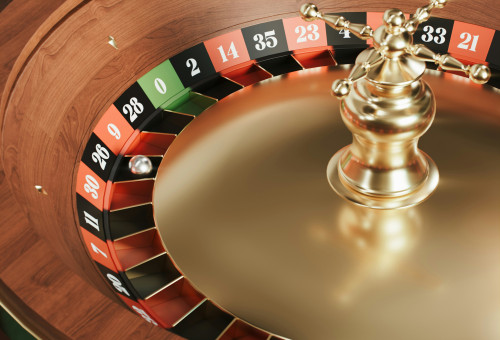
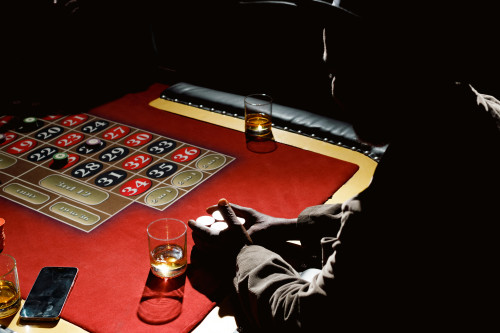
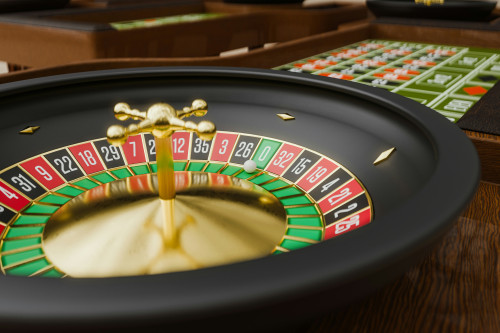
The house edge is the statistical advantage the casino has in every game. It varies depending on the game and even the specific rules in play. For example, American roulette has a house edge of about 5.26% because of the extra double zero, while European roulette’s edge is closer to 2.7%. In blackjack, if you play with optimal strategy, the house edge can drop below 1%.
This doesn’t mean you can’t win—many players do, especially in the short term—but over the long run, the odds always favor the house. Recognizing this reality helps you approach gaming with a more balanced mindset.
Læs også:
Realism as the Key to Relaxation
Once you accept that every casino game is designed with a built-in advantage for the house, your perspective can shift. Instead of chasing unrealistic wins, you can view gaming as a form of entertainment—like going to a concert, a sports game, or a night out with friends. You’re paying for the experience, the thrill, and the social atmosphere, not for a guaranteed profit.
This mindset makes it easier to stay calm when luck isn’t on your side. You understand that losses are part of the game, and that the goal isn’t to “beat the system,” but to enjoy the process.
Choose Games with a Lower House Edge
While the house always has an advantage, you can make smarter choices by selecting games where that advantage is smaller. This gives you better odds of staying in the game longer—and getting more entertainment for your money.
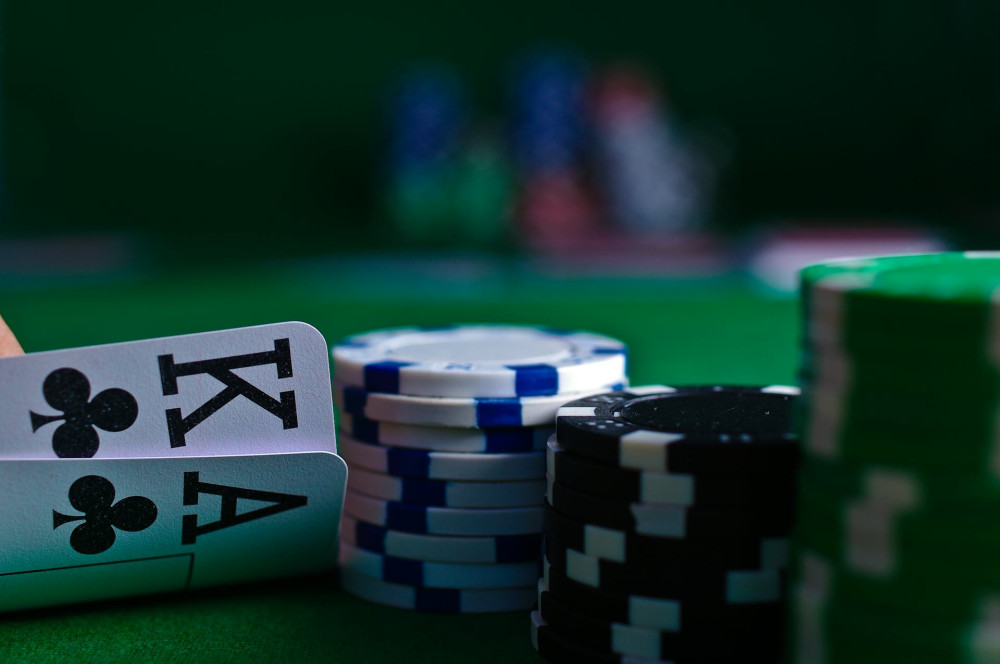
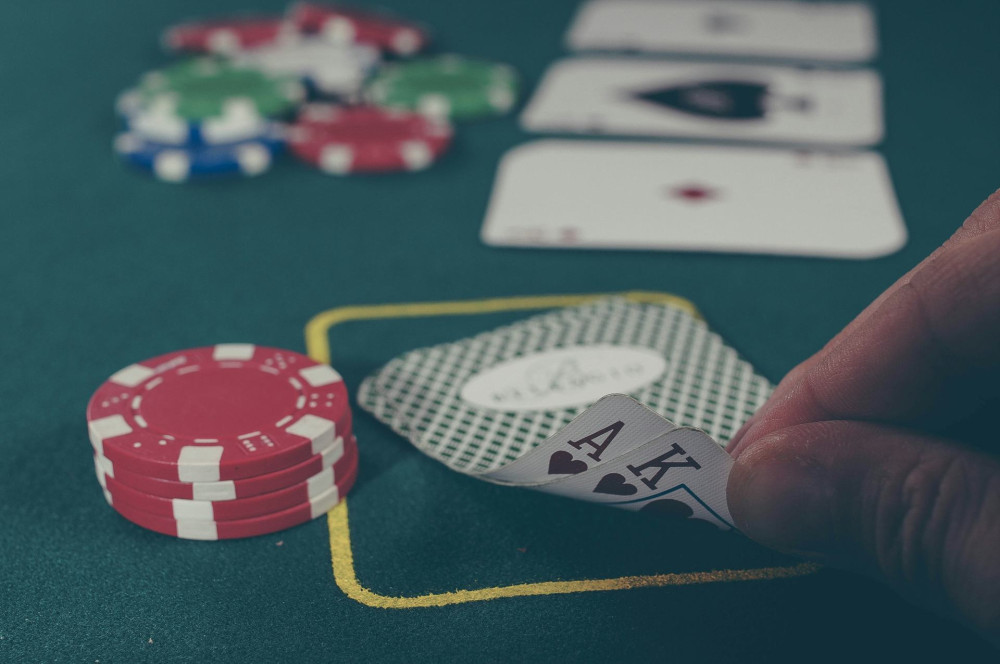
- Blackjack offers one of the lowest house edges when played with proper strategy.
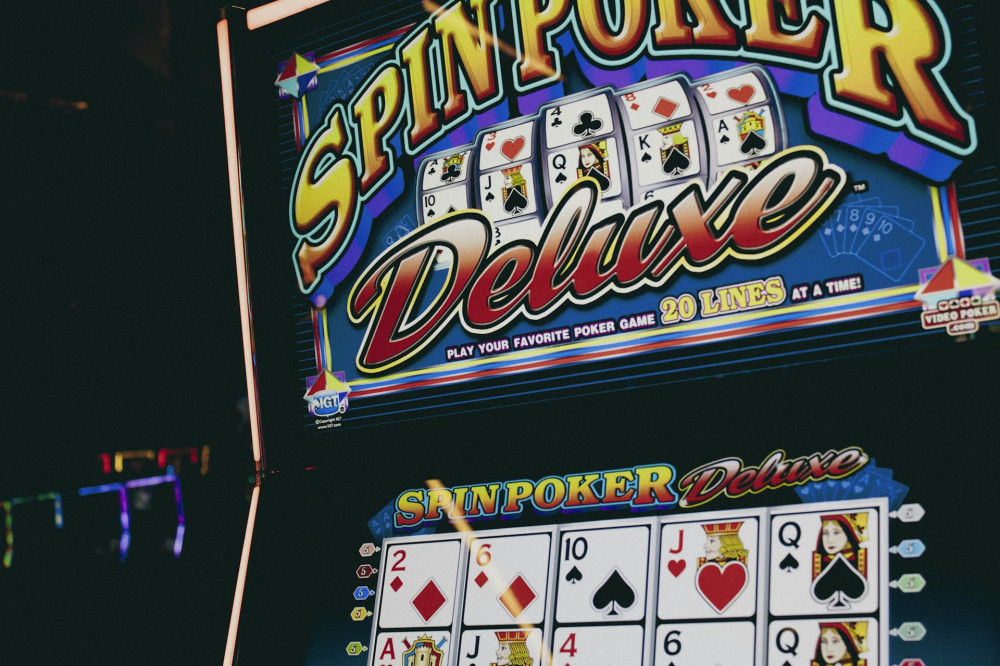
- Video poker can also provide favorable odds if you know the pay tables and play optimally.
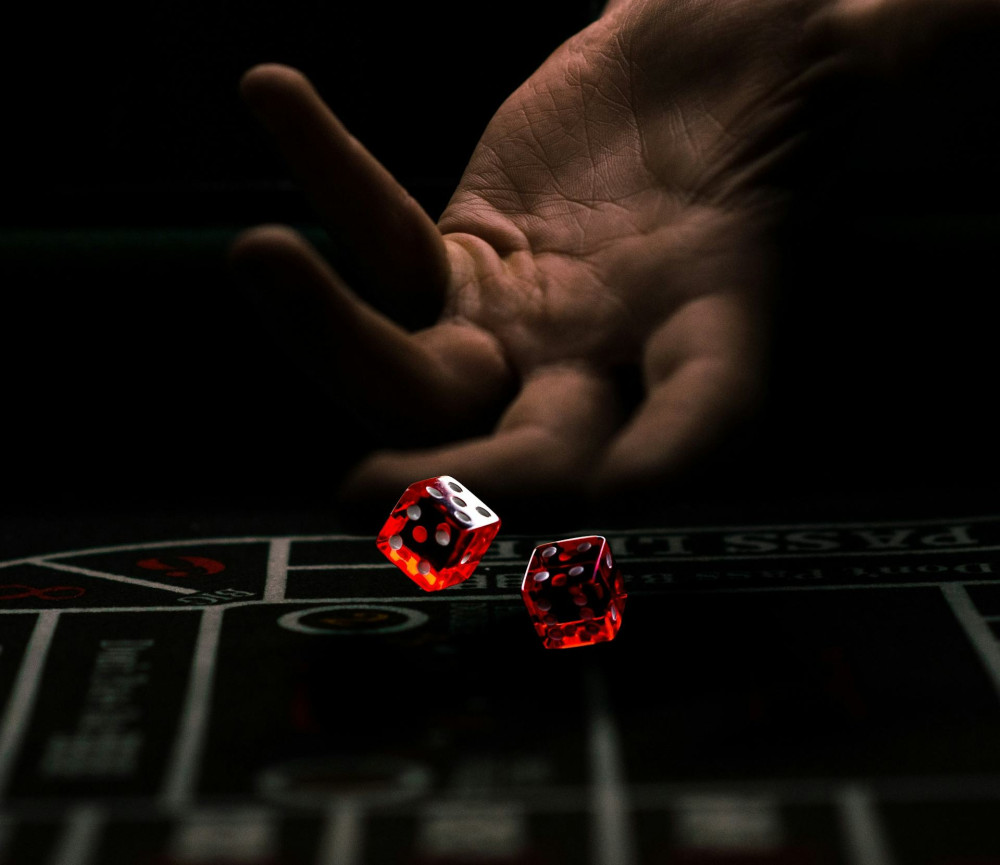
- Craps has bets with very low house edges, such as the Pass Line or Don’t Pass bets.
- European roulette is a better choice than American roulette because of the single zero.
By choosing wisely and playing thoughtfully, you can stretch your gaming budget and enjoy the experience without unnecessary stress.
Set Limits—and Stick to Them
Realistic gaming also means knowing your personal boundaries. Before you start playing, decide how much money you’re comfortable spending and treat it as the cost of entertainment. Once that amount is gone, the session is over. This simple rule helps prevent impulsive decisions and keeps gaming fun rather than stressful.
Many players find that setting clear limits actually enhances their enjoyment. It removes pressure and allows them to focus on the excitement of the game itself.
Play for the Experience, Not the Outcome
When you understand the house edge, it becomes clear that gaming isn’t about winning every time—it’s about the experience. The sounds, the lights, the anticipation as the dice roll or the wheel spins—all of these are part of the fun.
By shifting your focus from the outcome to the experience, you can play more calmly and with greater satisfaction. You can still hope for a win, of course, but without letting that hope control your mood or your play.
A Healthier Approach to Gaming
Understanding the house edge isn’t just about math—it’s about taking responsibility for how you play. It helps you stay grounded, avoid frustration, and enjoy gaming in a safe, balanced way.
When you play realistically, you’re not playing against the house—you’re playing with an understanding of how the game works. And that insight is what allows you to enjoy the thrill of gaming with confidence, calm, and a smile.
Læs også: