Roulette in Language: When the Game Shapes Our Expressions

Roulette in Language: When the Game Shapes Our Expressions
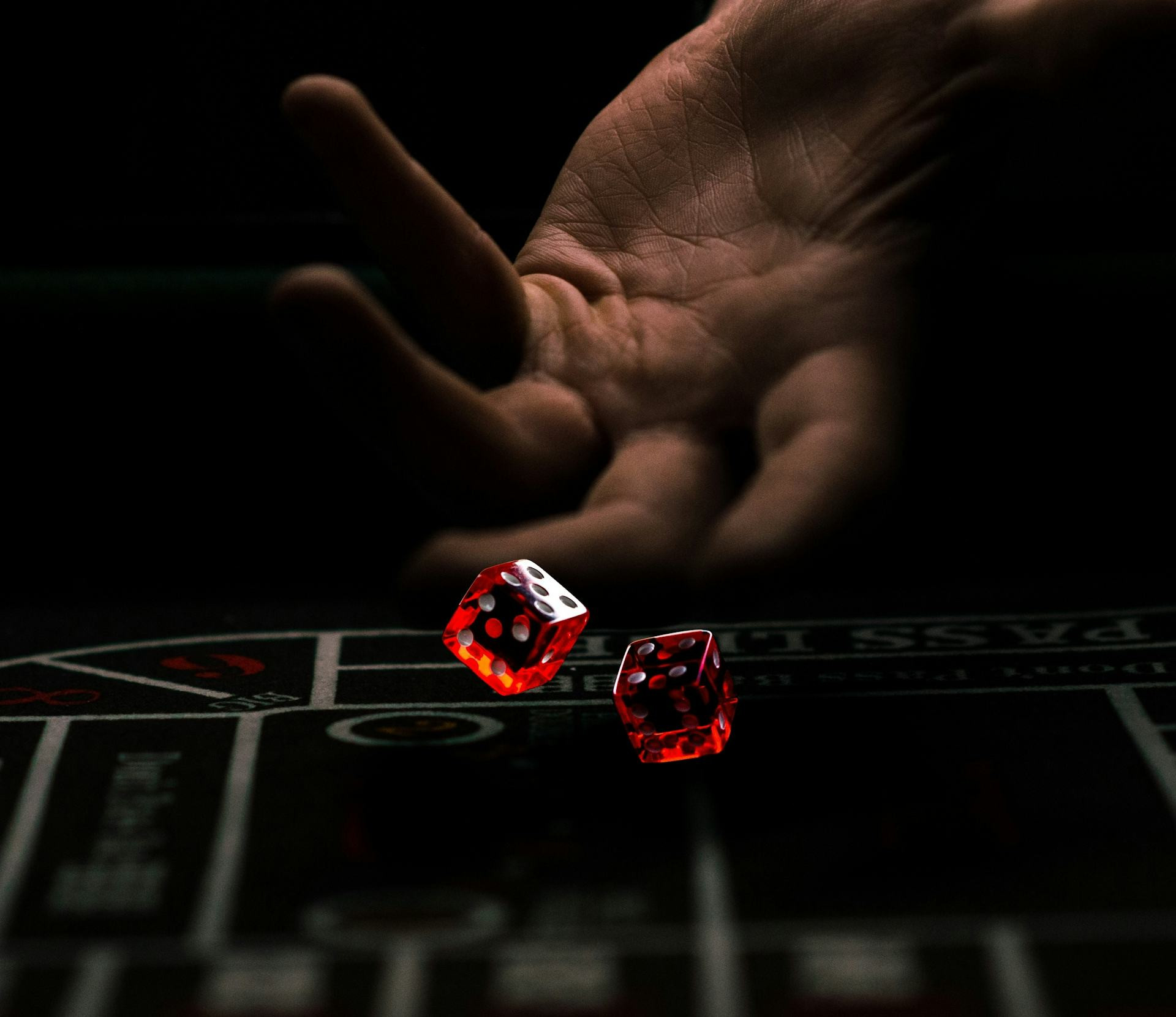
When we say someone is “playing with fire” or “rolling the dice,” we rarely stop to think about how deeply the language of games has spun itself into our everyday speech. Gambling and games of chance have long been part of human culture, and their imagery has found a permanent place in the way we talk about risk, luck, and uncertainty. Roulette, poker, and card games have not only entertained us but also given us vivid metaphors for life’s unpredictability.
From the Casino Floor to Everyday Speech
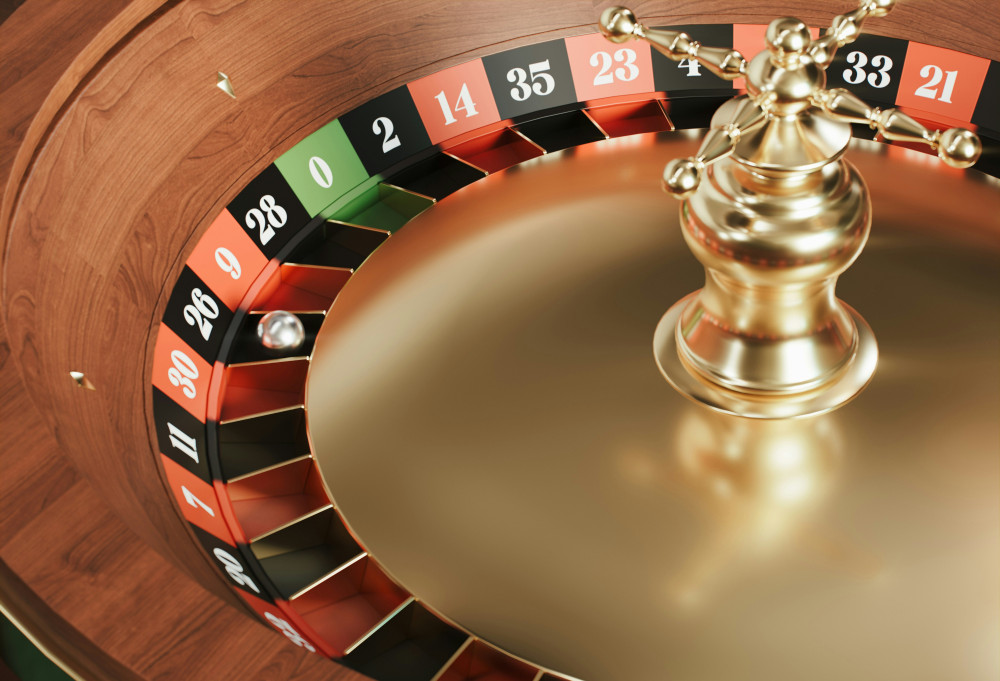
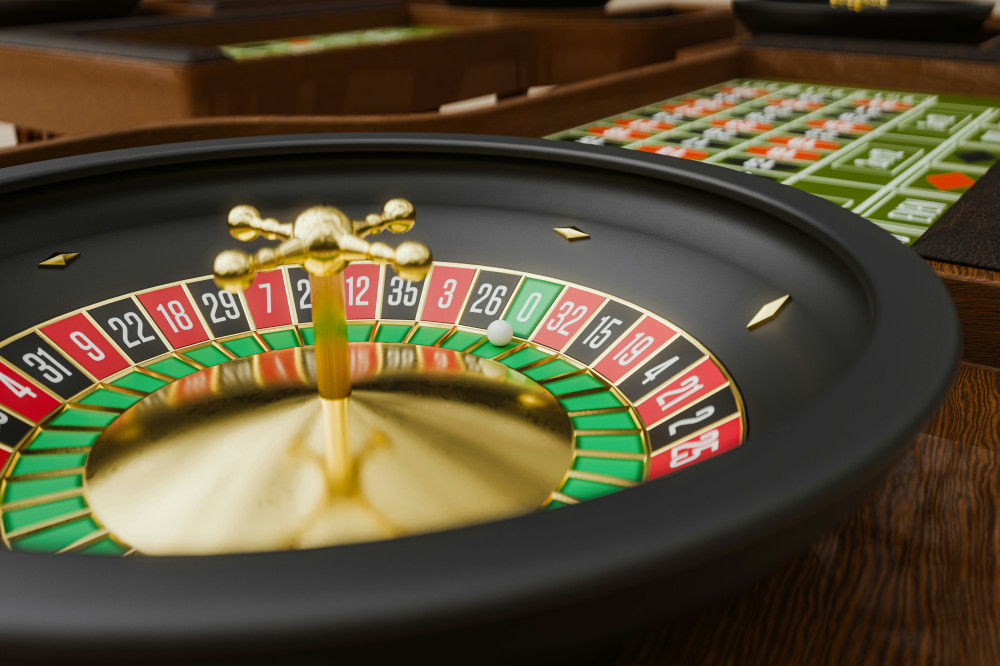
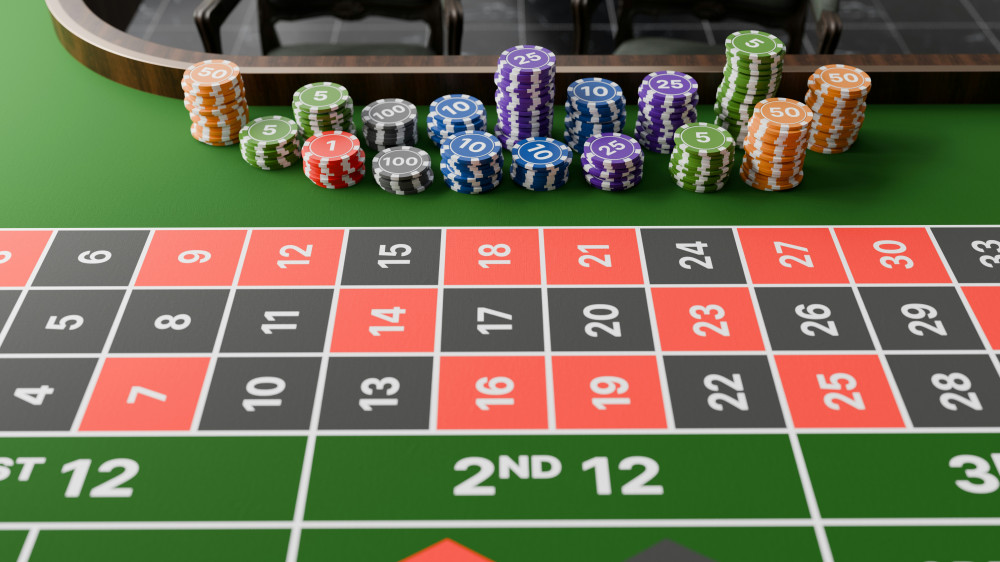
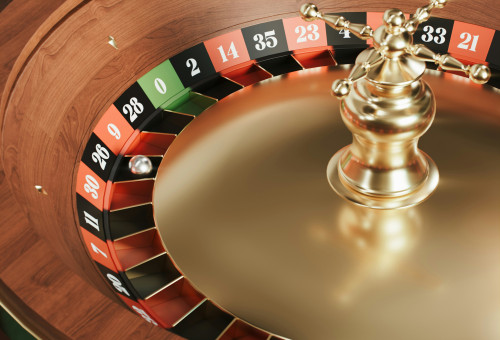
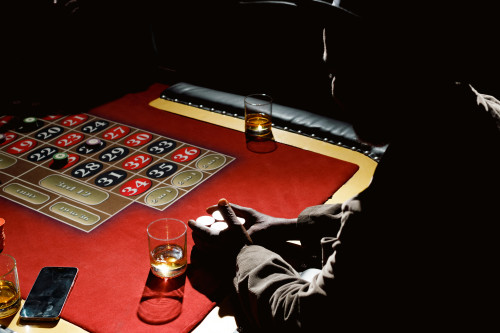
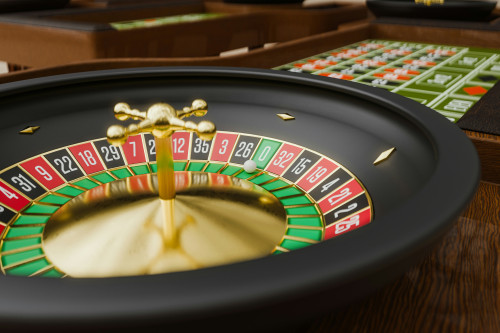
Roulette is one of the most recognizable symbols of chance. Perhaps that’s why we use it as a metaphor for situations where the outcome is completely out of our control. When someone says, “It’s pure roulette,” they mean that the result is unpredictable—just like the spinning wheel and the bouncing ball.
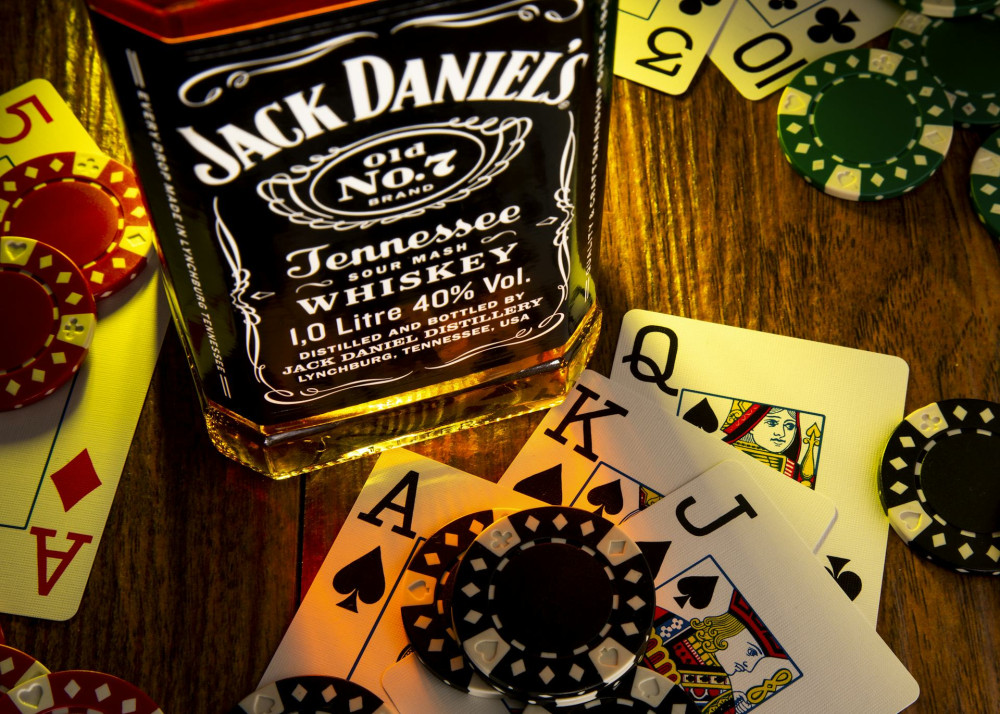
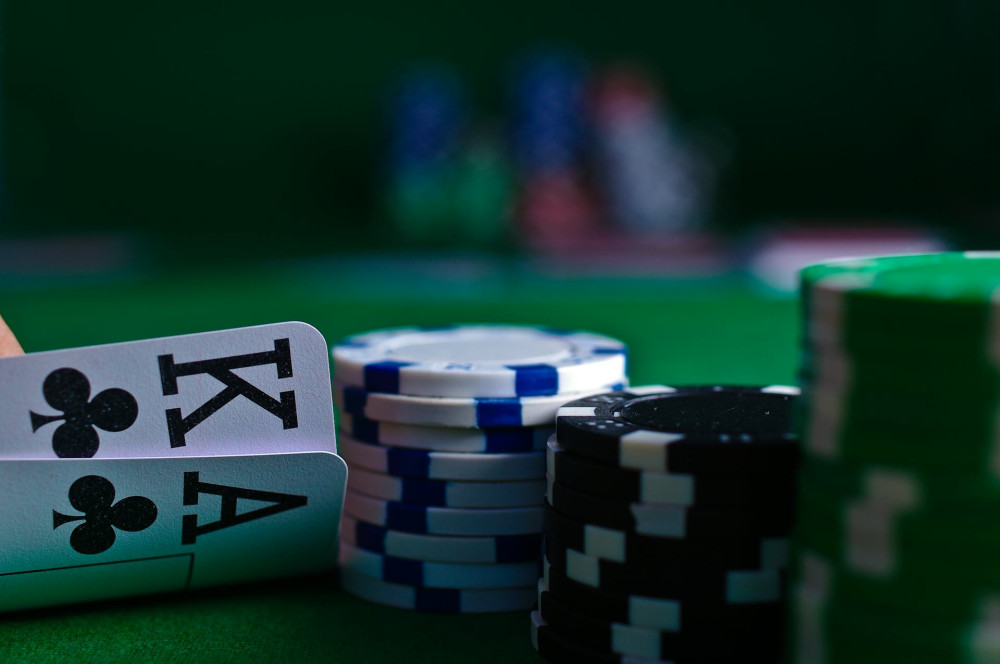
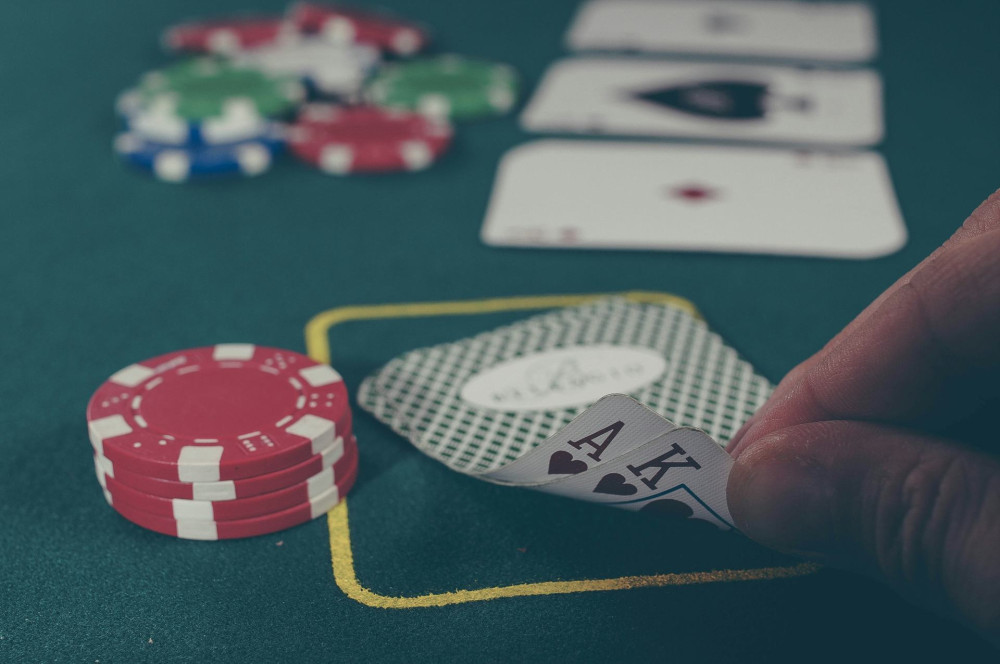
Card games have given us expressions like “playing your cards right,” “having an ace up your sleeve,” or “showing your hand.” These phrases no longer refer to the game itself but to strategy, honesty, and preparation in everyday life. We use them when talking about business negotiations, politics, or relationships—moments when we weigh risk and reward, just as players do at the table.
The Language of Risk and Reward
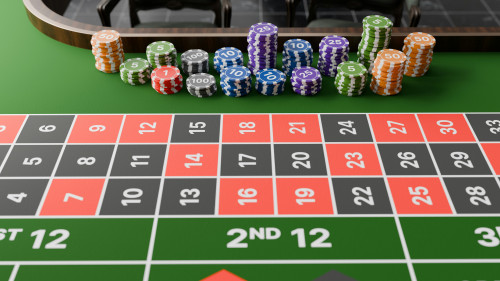
There’s something inherently fascinating about risk, and our language reflects that. To “take a gamble” or “go all in” doesn’t necessarily mean recklessness—it can also express courage, ambition, or faith in one’s instincts. Game metaphors give us a way to talk about those moments when we can’t control everything but choose to act anyway.
In American culture, where the idea of taking chances is often celebrated, these expressions resonate strongly. From the frontier spirit to Silicon Valley startups, the willingness to “bet big” has long been part of the national story. The language of gambling captures that blend of daring and uncertainty that defines so many American pursuits.
Læs også:
When the Game Becomes Part of Identity
Language mirrors society, and in an age when casinos, online betting, and Las Vegas glitz are part of popular culture, new expressions keep emerging. We talk about “gambling with your future,” “hedging your bets,” or “playing the odds.” Even in love, people “take a chance” or “go all in.” These phrases show that the language of games isn’t just about money—it’s about choice, risk, and hope.
They also reveal how we use the imagery of chance to make sense of life’s unpredictability. Whether it’s a career move, a relationship, or a political decision, we often describe it as a kind of wager—an act of faith that the wheel will stop in our favor.
A Language That Keeps Spinning
Roulette and other games have given us more than entertainment; they’ve given us a vocabulary for life’s uncertainties. When we use gambling metaphors, we bring drama and color to our speech, turning abstract ideas about risk and fate into something tangible and familiar.
Maybe that’s why these expressions endure: they capture something deeply human. Life, like roulette, is a spinning wheel of choices and chances. We can decide where to place our bets—but we never quite know where the ball will land.
Læs også: