Lottery Through Time: Cultural Differences and Their Significance

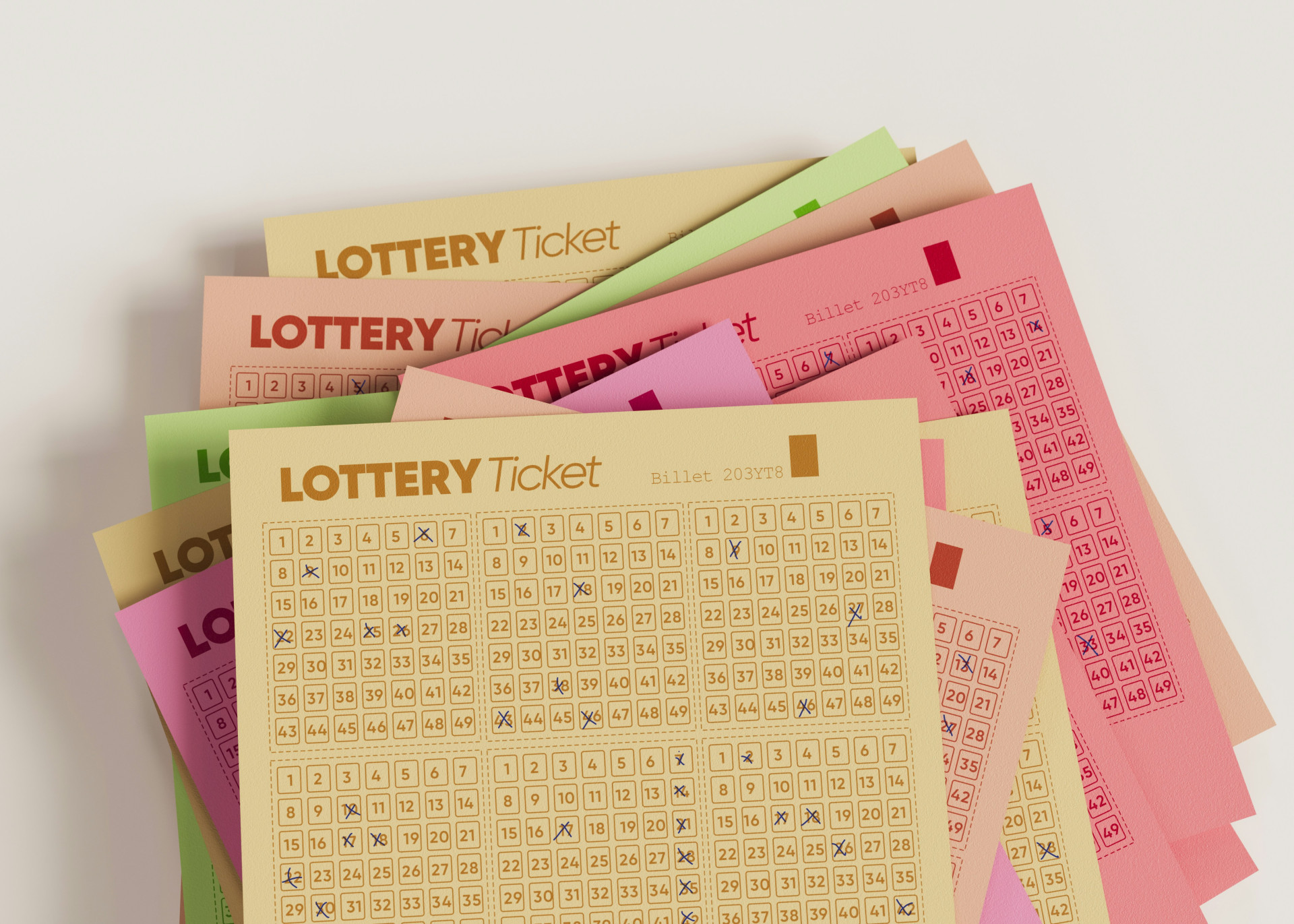
Lottery Through Time: Cultural Differences and Their Significance
For centuries, lotteries have captured the human imagination — a blend of luck, hope, and the dream of sudden transformation. From the first public drawings in Renaissance Europe to today’s billion-dollar jackpots and digital scratch-offs, the lottery has evolved alongside society’s values and technologies. But beyond the numbers and prizes, lotteries reveal much about how different cultures understand chance, destiny, and fairness.
From Civic Funding to National Pastime
The earliest organized lotteries appeared in 15th- and 16th-century Europe, where city governments used them to fund public works such as bridges, fortifications, and hospitals. When the idea crossed the Atlantic, it became part of the American story. In colonial America, lotteries helped finance universities like Harvard and Princeton, as well as roads and churches. They were seen not just as games of chance, but as tools for building communities.
By the 20th century, state-run lotteries had become a major source of public revenue in the United States. Instead of raising taxes, states could fund education, parks, and veteran programs through voluntary participation. Yet this approach also sparked debate: Was it ethical for governments to profit from citizens’ dreams, especially when the odds of winning were so slim? That tension between opportunity and exploitation remains central to the lottery’s cultural meaning.
Læs også:

Luck, Fate, and the American Dream
Attitudes toward lotteries vary widely across cultures, shaped by deeper beliefs about luck and destiny. In the United States, the lottery is often tied to the idea of self-determination — the belief that anyone, regardless of background, might strike it rich through a lucky break. It’s the “American Dream” distilled into a single ticket: a chance to rewrite one’s story overnight.
In contrast, many Asian cultures view luck as part of a broader cosmic balance rather than pure randomness. In China, for example, numbers carry symbolic meanings, and players often choose combinations based on numerology or family traditions. In Japan, lotteries are sometimes linked to festivals and community events, emphasizing collective joy rather than individual gain. These differences show how the same game can reflect very different worldviews.
A Mirror of Society
Lotteries also mirror the social and economic conditions of their time. Sales often rise during periods of financial uncertainty, when the promise of a life-changing win feels especially appealing. Critics argue that lotteries disproportionately attract lower-income players, effectively functioning as a “regressive tax” on hope. Supporters counter that participation is voluntary and that proceeds fund valuable public programs.
In the U.S., this debate has led to efforts to promote “responsible play” and transparency. Advertising now often includes reminders about the odds and resources for problem gambling. The lottery, once a simple pastime, has become part of a broader conversation about ethics, equity, and social responsibility.
From Paper Tickets to Digital Dreams
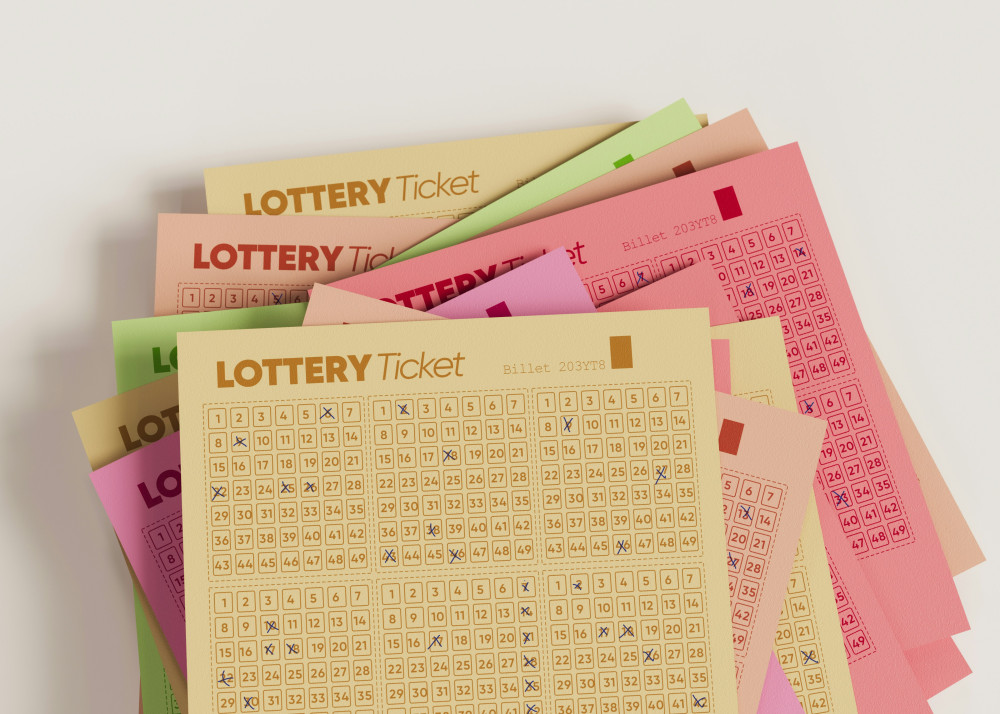
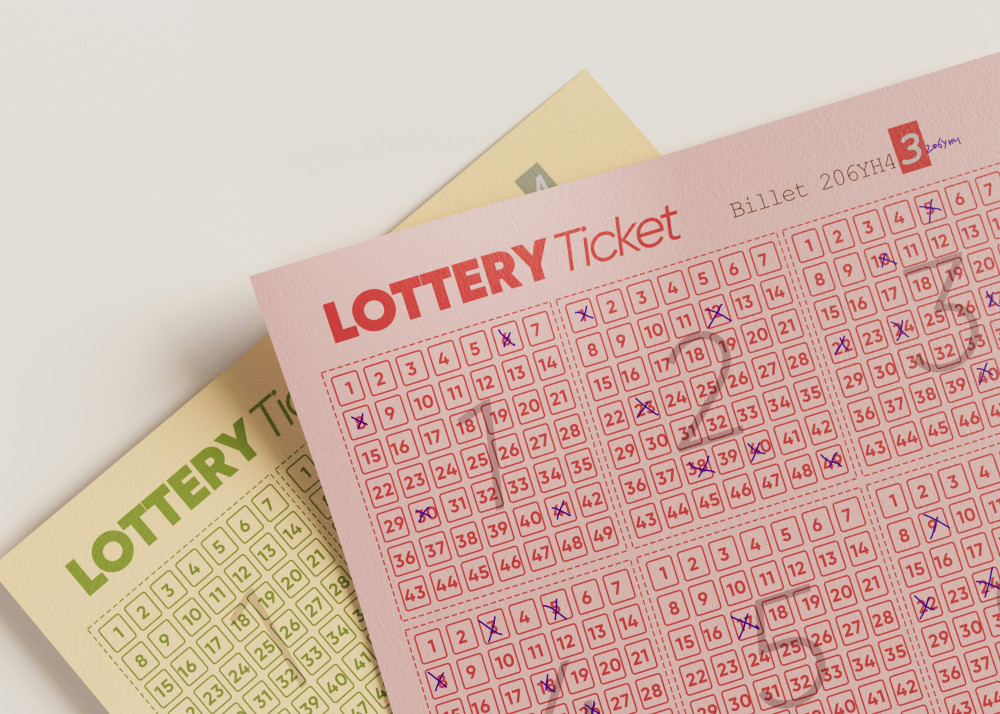
Technology has transformed how people play. Where once players lined up at corner stores to buy paper tickets, today they can join drawings with a few taps on a smartphone. Online platforms and mobile apps have made lotteries more accessible — and more global — than ever before. International jackpots attract participants from multiple countries, blurring the lines between national and global gaming cultures.
But digital convenience also brings new challenges. Regulators now grapple with issues of data privacy, age verification, and gambling addiction in an always-connected world. The modern lottery is as much about algorithms and cybersecurity as it is about luck.
The Cultural Meaning of the Lottery Today
Despite all the changes, the core appeal of the lottery remains timeless: the hope that life can change in an instant. In some cultures, it’s a shared ritual — families watching the drawing together, communities celebrating a local winner. In others, it’s a private moment of imagination, a small escape from daily routines.
Ultimately, the lottery is more than a game. It’s a reflection of how societies understand chance, fairness, and aspiration. Whether seen as a harmless dream or a moral dilemma, the lottery continues to reveal something deeply human — our enduring desire to find meaning, and maybe a little magic, in the unpredictable turns of fate.
Læs også: