Probability and the Lottery: A Journey Through the Evolution of Science and Gaming

Probability and the Lottery: A Journey Through the Evolution of Science and Gaming
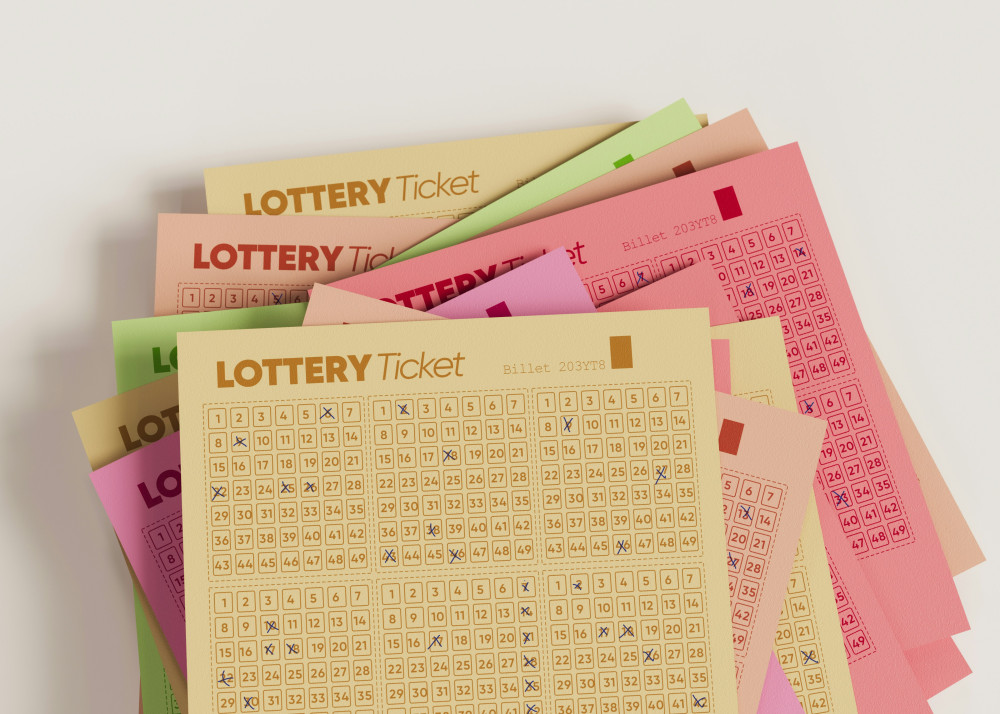
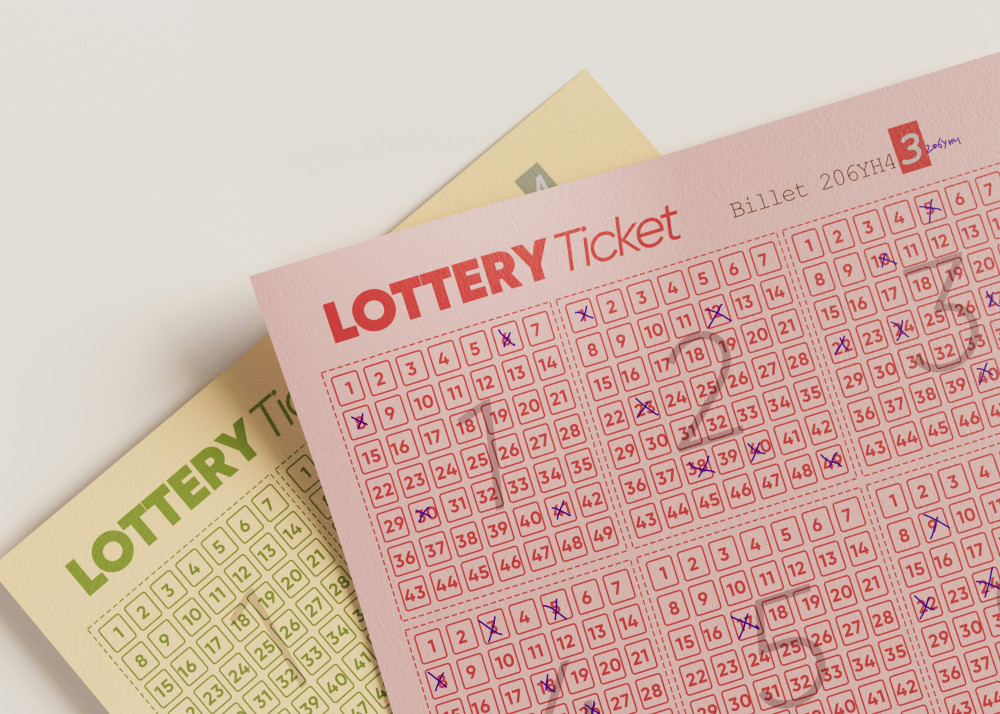
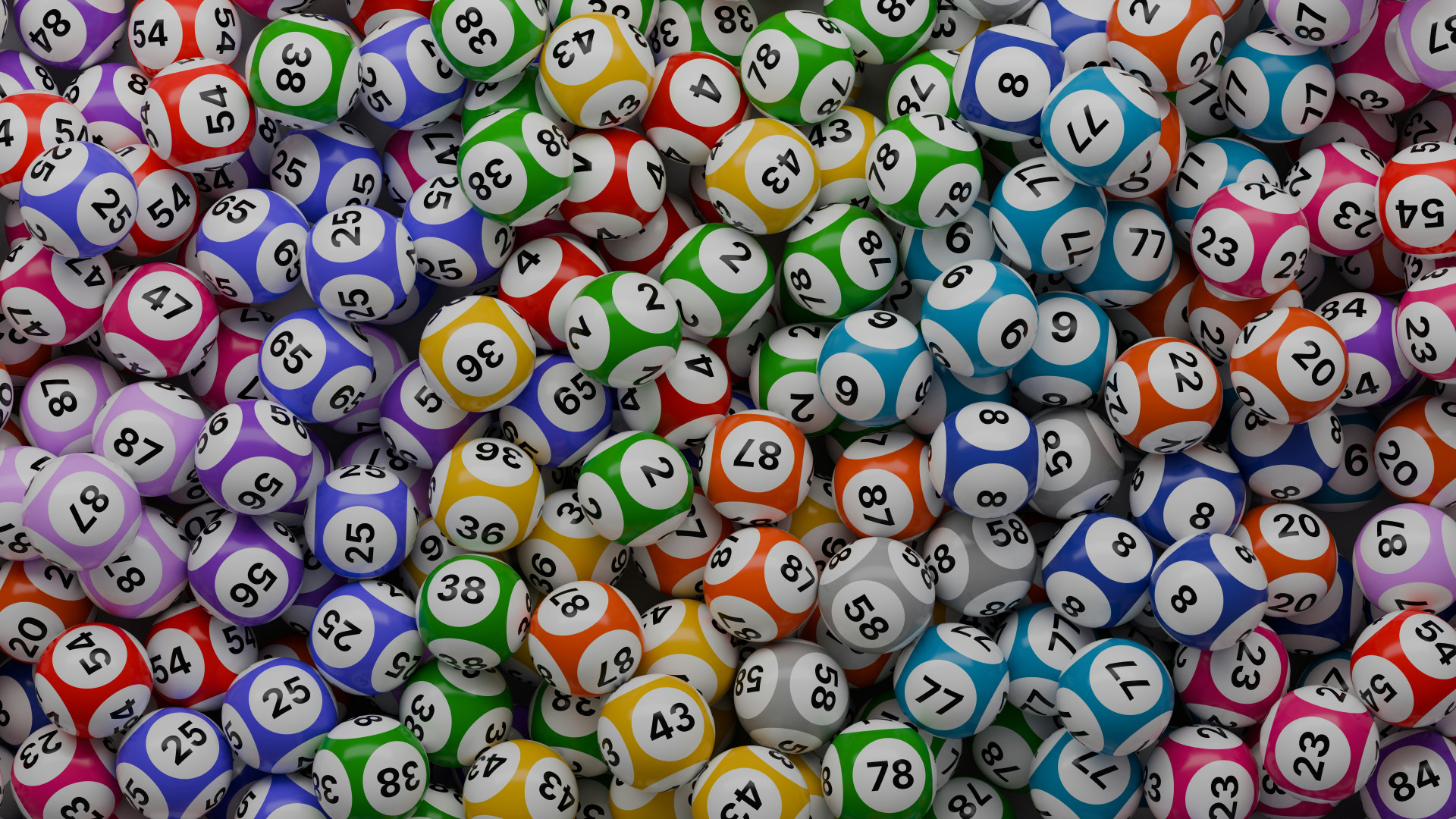
Every week, millions of Americans buy lottery tickets, each one a small investment in a dream. The odds are astronomical, yet the hope of instant fortune continues to captivate. Behind this simple act lies a deep and fascinating story — one that connects the evolution of mathematics, the psychology of chance, and the enduring human desire to beat the odds.
From Colonial Raffles to State Lotteries
Lotteries have been part of American life since the earliest days of the colonies. In the 1700s, lotteries helped fund roads, libraries, and even universities like Harvard and Yale. The Founding Fathers themselves were no strangers to the concept — Benjamin Franklin organized a lottery to buy cannons for the defense of Philadelphia, and George Washington once managed one to finance infrastructure projects.
By the 20th century, however, public opinion had turned against gambling, and most lotteries were banned. It wasn’t until the 1960s that states began reintroducing them as a way to raise funds without increasing taxes. Today, nearly every U.S. state operates its own lottery, generating billions of dollars annually for education, infrastructure, and public programs.
The Birth of Probability
While lotteries were spreading across the world, mathematicians were beginning to ask a fundamental question: how do we measure chance? In the 17th century, French thinkers Blaise Pascal and Pierre de Fermat laid the groundwork for probability theory through their correspondence about games of chance. Their insights transformed gambling from a matter of luck into a field of scientific inquiry.
Later, mathematicians like Jacob Bernoulli and Pierre-Simon Laplace expanded these ideas, developing the laws of large numbers and statistical inference. What began as an attempt to understand dice and cards became the foundation for modern science — from predicting weather patterns to modeling financial markets.
The Lottery as a Mirror of Society
Lotteries have always reflected the societies that create them. In the United States, they have been both a source of public funding and a subject of moral debate. Critics argue that lotteries function as a “tax on hope,” disproportionately affecting lower-income players who spend a larger share of their income chasing improbable jackpots. Supporters counter that participation is voluntary and that the proceeds support valuable public causes.
The cultural fascination with the lottery also reveals something deeper about the American psyche — a belief in possibility, in the idea that anyone, regardless of background, might one day strike it rich. It’s a modern echo of the nation’s founding myth: that fortune favors the bold.
The Science of Chance — and the Illusion of Control
Today, probability is a well-understood branch of mathematics, yet our behavior often defies logic. Behavioral economists have shown that humans are notoriously poor at interpreting probabilities. We overestimate small chances and underestimate large ones. That’s why millions of people buy lottery tickets despite knowing the odds — roughly one in 292 million for Powerball — while few take precautions against far more likely risks.
This cognitive bias, known as the “availability heuristic,” helps explain why the lottery remains so popular. The stories of winners are vivid and memorable, while the millions of losing tickets fade quietly into the background.
Læs også:

From Random Draws to Digital Algorithms
In the digital age, the concept of randomness has taken on new meaning. Modern lotteries rely on complex algorithms and secure random number generators to ensure fairness. Meanwhile, data scientists and amateur statisticians alike try to find patterns in the chaos — even though, mathematically, none exist.
Interestingly, the same principles of probability that govern lotteries now underpin technologies that shape our world: artificial intelligence, epidemiological modeling, and financial forecasting. The mathematics once used to understand games of chance now helps us navigate uncertainty in nearly every field of science and technology.
The Dream That Endures
Despite the infinitesimal odds, Americans continue to play. For many, the lottery is less about winning and more about imagining what could be — a few days of dreaming before the numbers are drawn. It’s a ritual that blends hope, mathematics, and a touch of magic.
Perhaps that’s why the lottery endures. It speaks to both sides of human nature: the rational mind that calculates probabilities and the dreamer who believes that, just maybe, lightning could strike. In that tension between logic and longing lies the true story of the lottery — and of our endless fascination with chance itself.
Læs også: