When the Lottery Brings People Together: The Story of Major Events

When the Lottery Brings People Together: The Story of Major Events
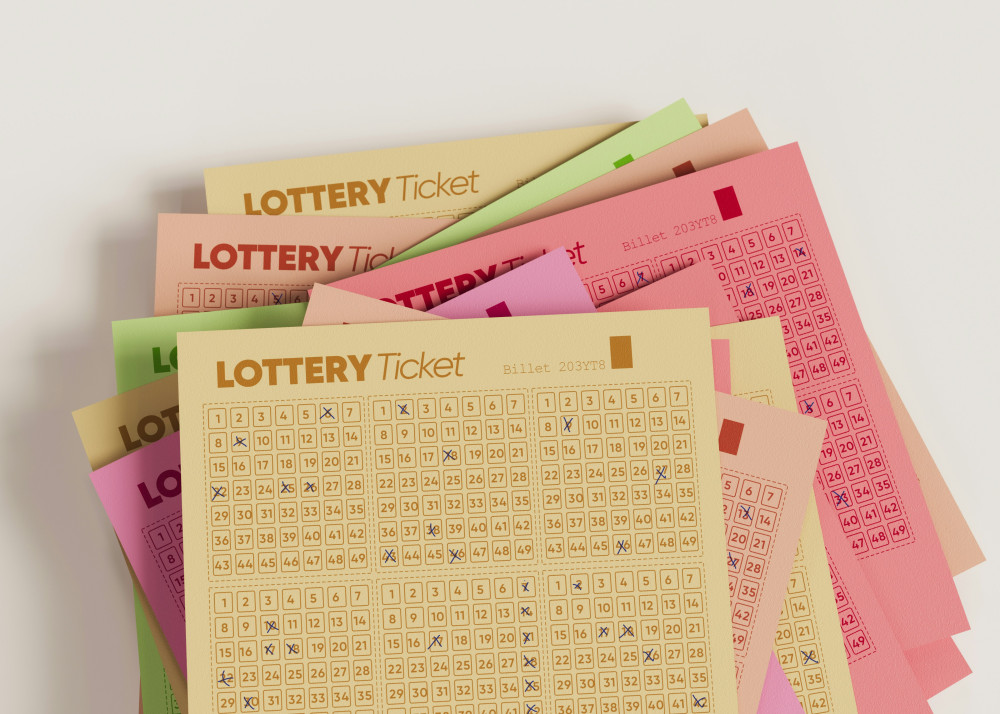
When numbers are drawn and dreams hang in the balance, people gather—across generations, backgrounds, and hometowns. The lottery has long been more than a game of chance; it’s a shared moment of hope, a cultural ritual, and a reminder that fortune can strike anyone. From early colonial raffles to today’s televised drawings and billion-dollar jackpots, the lottery has a unique power to unite Americans in anticipation and imagination. But how did this tradition begin, and why does it still capture the nation’s attention?
From Colonial Fundraisers to National Pastime
Lotteries have deep roots in American history. In the 1700s, they were used to fund public projects—bridges, roads, and even universities. Harvard, Yale, and Princeton all benefited from early lotteries. In a young nation with limited tax revenue, these games were a practical way to raise money while offering citizens a chance at a prize.
By the 19th century, lotteries had become both popular and controversial. Scandals and corruption led to bans in many states, but the idea never disappeared. When modern state lotteries reemerged in the 1960s—starting with New Hampshire—they were framed not just as games, but as a way to support education and public services. Buying a ticket became a small act of civic participation, a contribution to the common good wrapped in the thrill of possibility.
Læs også:
The Lottery as a Shared Experience
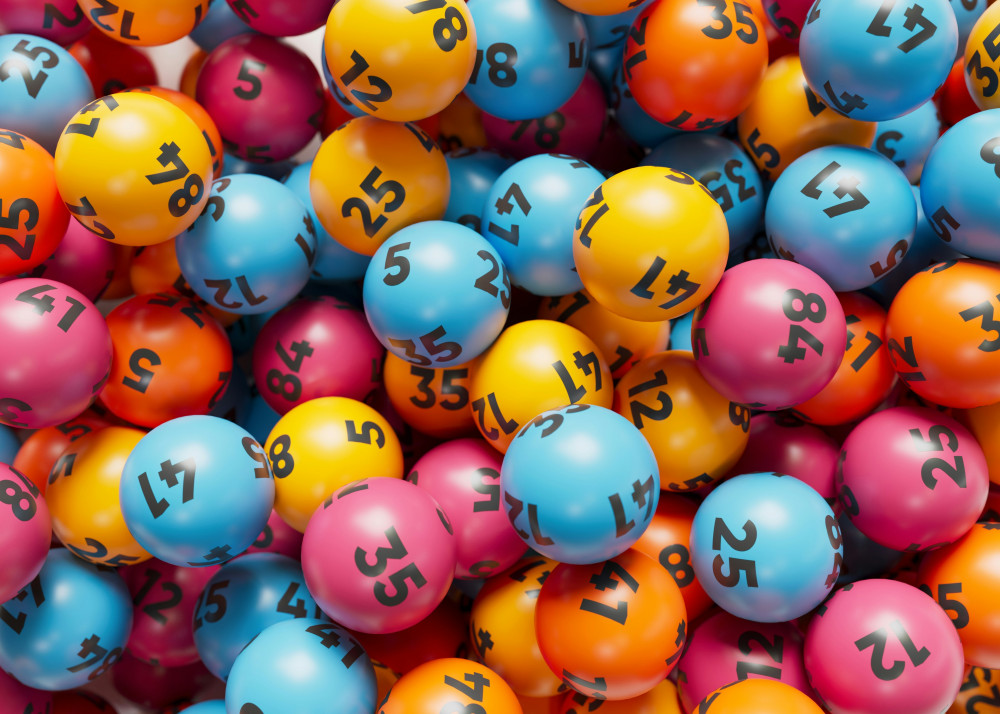
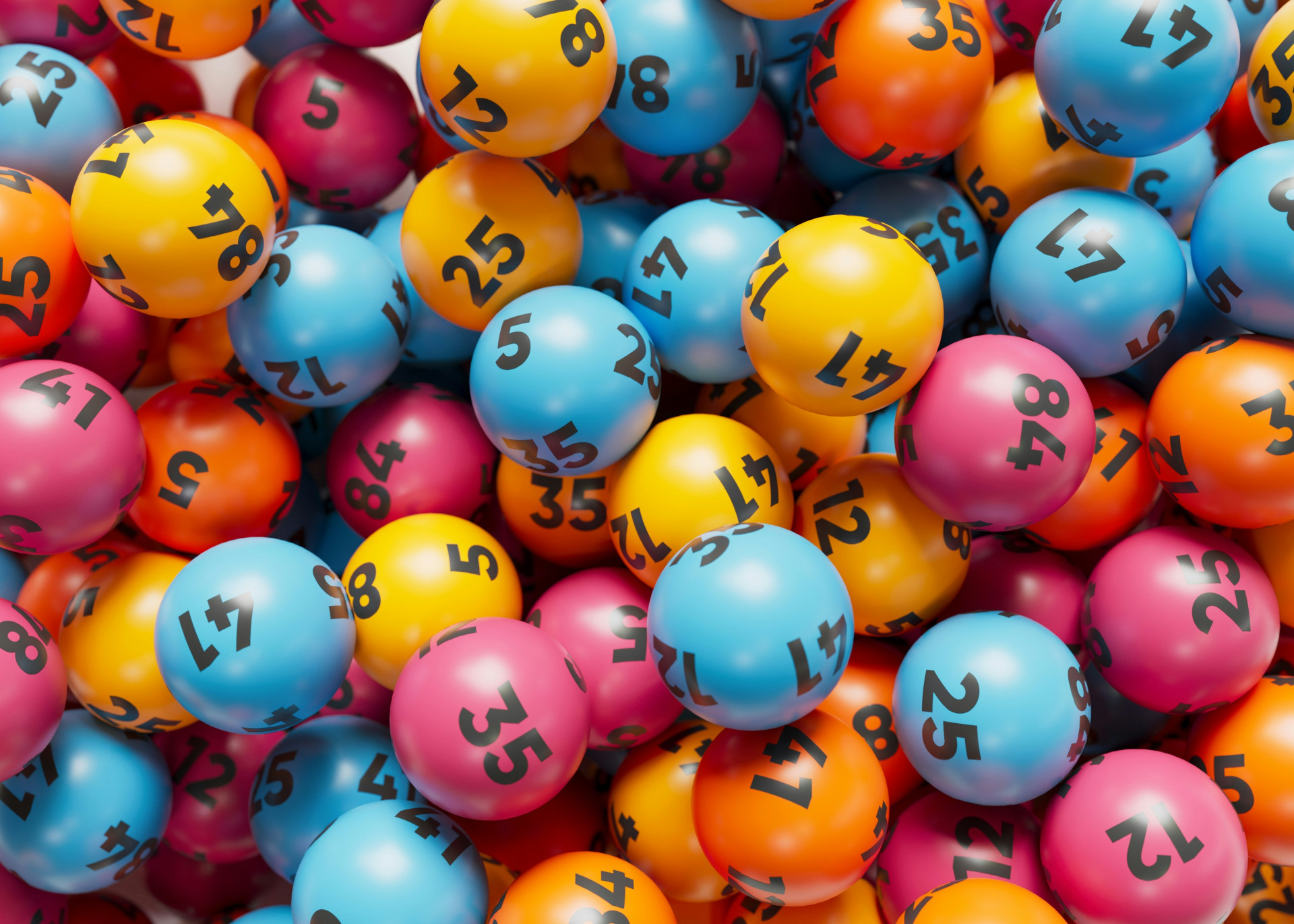
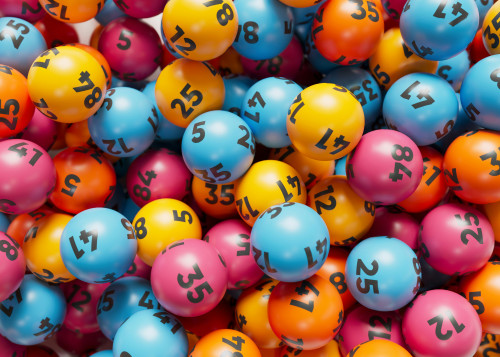
For decades, the weekly drawing has been a familiar ritual in American homes. Families have gathered around televisions to watch the numbered balls tumble, holding their breath as each one appears. Even those who don’t play often find themselves caught up in the excitement when the jackpot climbs into the hundreds of millions.
The lottery has also become a social connector. Office pools, neighborhood groups, and family syndicates turn the game into a collective experience. When a group wins, the story spreads quickly—ordinary people suddenly thrust into the spotlight, their joy shared by millions who imagine what they would do in the same situation. These stories remind us that the lottery isn’t just about money; it’s about the shared dream of a better life.
The Big Moments That Captured a Nation
Some lottery events have become part of American pop culture. The record-breaking Powerball and Mega Millions jackpots of recent years have drawn national attention, with lines stretching out of convenience stores and news anchors counting down to the draw. When someone finally wins, the story dominates headlines: Who are they? Where are they from? What will they do next?
These moments create a rare sense of unity. For a brief time, millions of people across the country share the same thought: What if it were me? The lottery transforms from a simple game into a national conversation about luck, dreams, and the meaning of success.
More Than a Game: Giving Back to Communities
While the dream of winning drives participation, many players also take comfort in knowing that lottery proceeds support public causes. In most states, a portion of every ticket sold goes to education, parks, veterans’ programs, and community initiatives. The lottery, in this way, becomes a cycle of giving—where personal hope fuels collective benefit.
From Paper Tickets to Digital Dreams
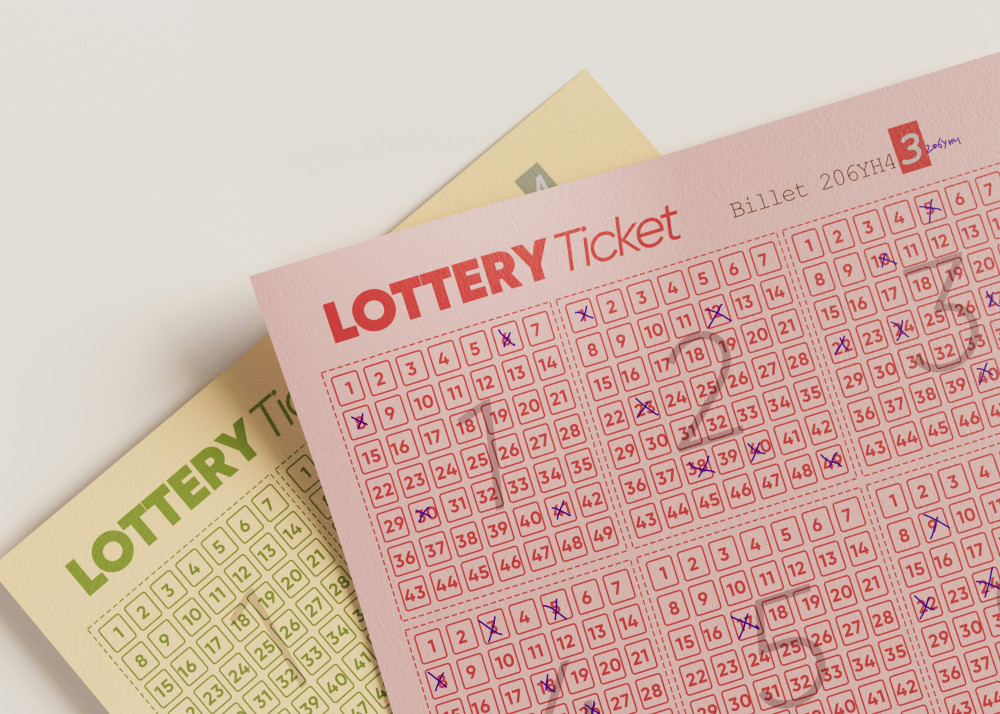
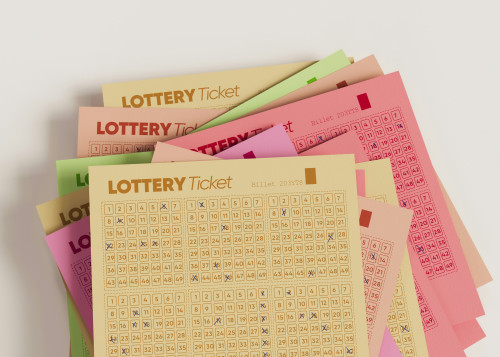
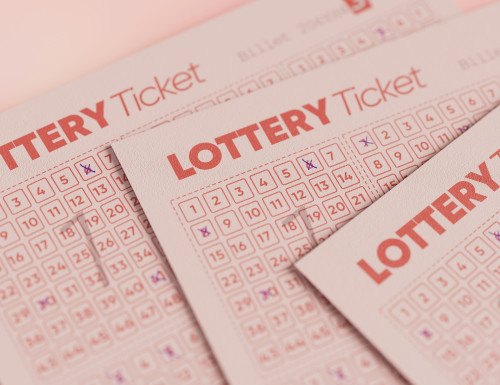
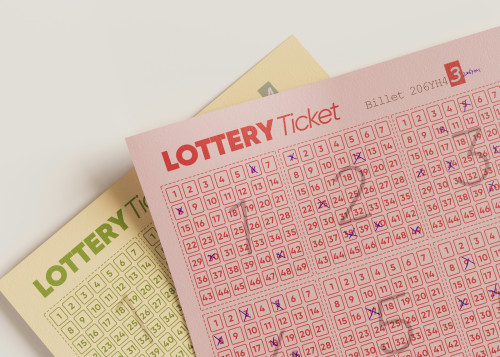
Today, the lottery has entered the digital age. Players can buy tickets online, check results on their phones, and even watch live drawings from anywhere. Yet the essence remains unchanged. Whether it’s a paper slip tucked into a wallet or a digital ticket on a screen, the feeling is the same: a moment of possibility, a spark of hope.
The lottery continues to bring people together—not just through shared dreams of wealth, but through the stories, traditions, and small rituals that surround it. In a world that often feels divided, the simple act of waiting for those numbers to be called still connects millions in a collective moment of wonder.
Læs også: